Paint it yourself or hire a painter?
 Dario’s PaintingSep 30, 20267 min readLast updated: Sep 30, 2026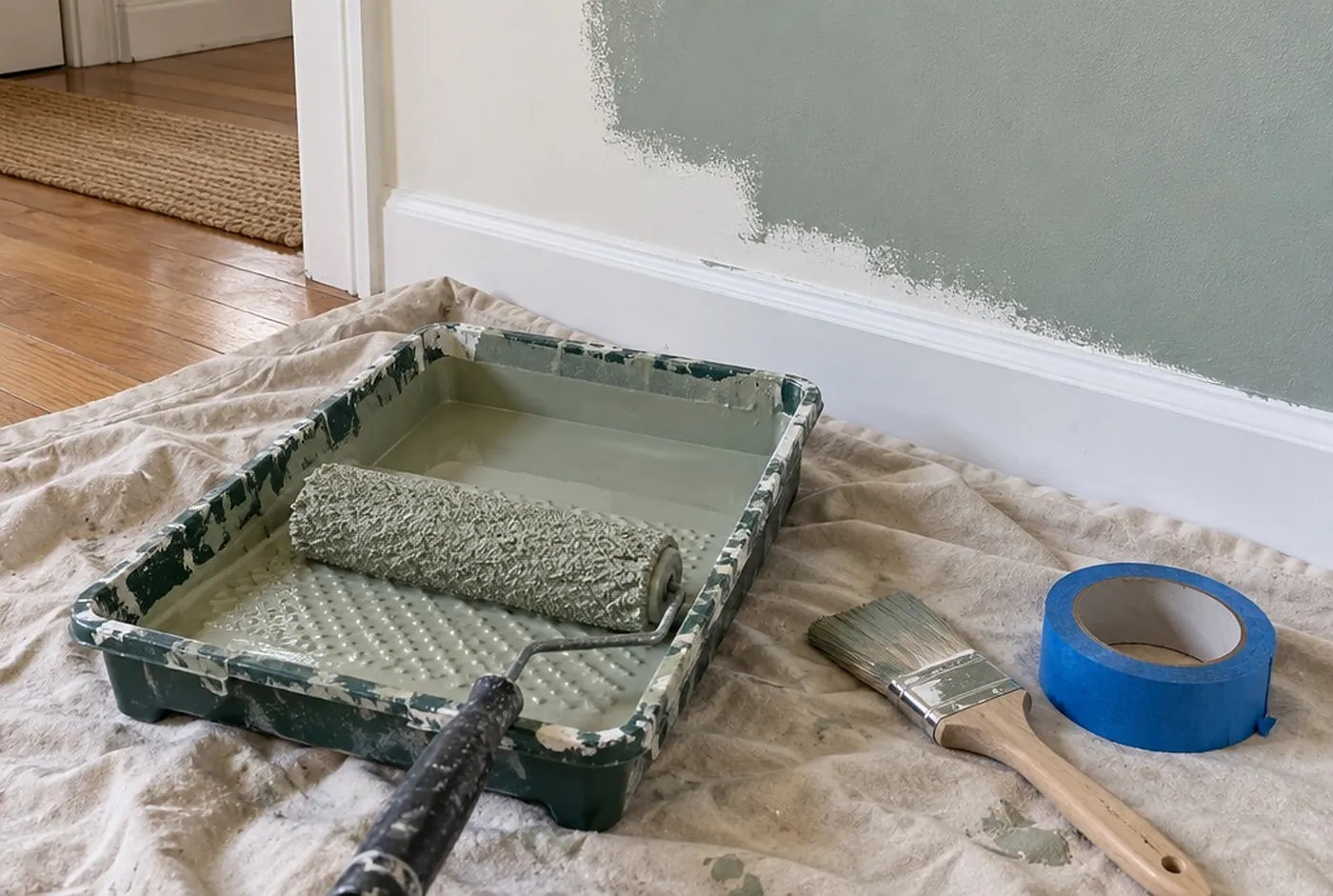
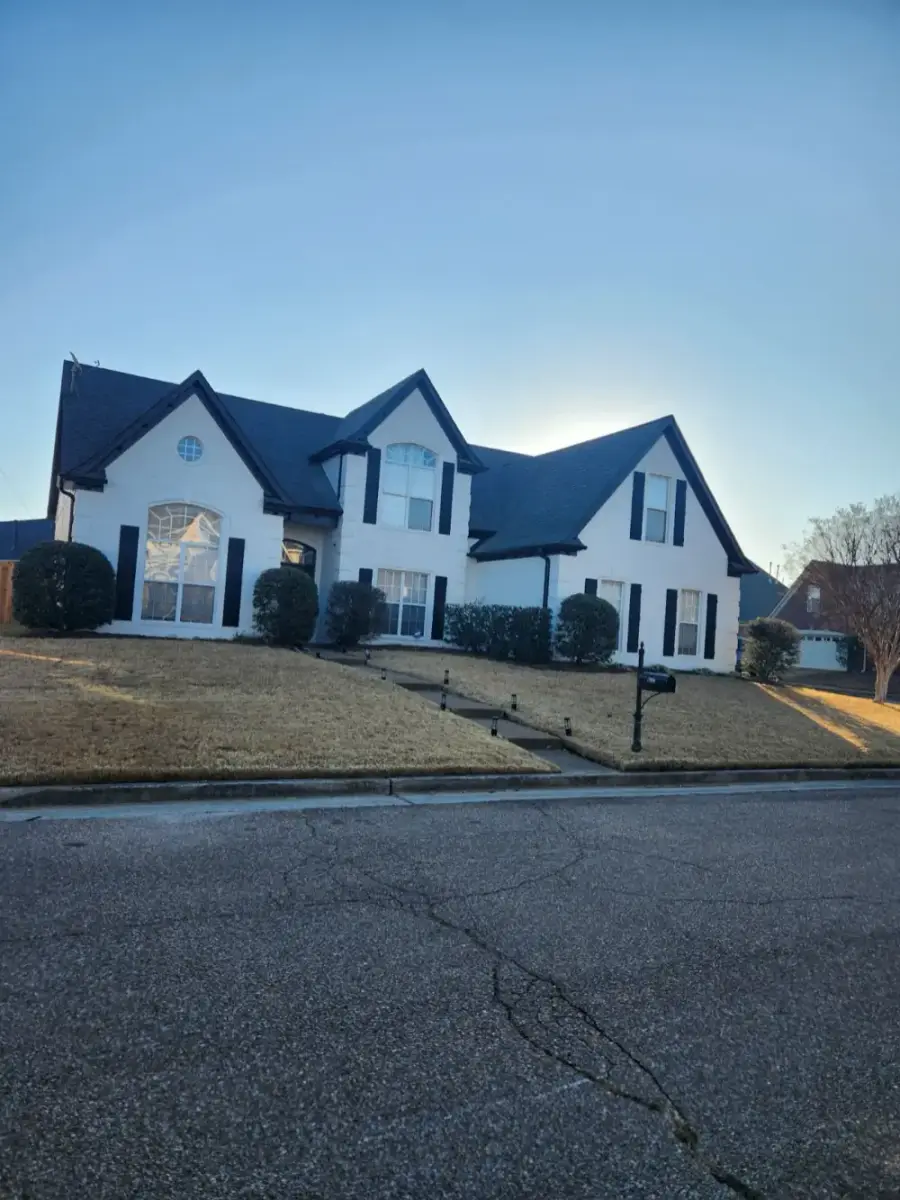
Paint it yourself when the job is small, low and you have the time: one bedroom, an accent wall, touch-ups. Hire a painter when the job is big, high or hard to get right: a whole house, an exterior, stairwells, kitchen cabinets or a big color change. The paint is the cheap part; most of a professional price is prep and labor, and prep is where most DIY jobs fall short. This guide compares cost, time, tools and results, and lists the jobs worth handing off. Hiring in Memphis? See interior painting and exterior painting by Dario’s Painting, with free written estimates.
DIY vs a Pro, Side by Side
| Doing it yourself | Hiring a painter | |
|---|---|---|
| Money | Paint, primer and every tool you don’t already own. | Labor, paint and prep in one written price. |
| Time | Most first-timers need a full weekend for one room once prep, two coats, drying and cleanup are counted. | A standard bedroom is usually a day for a crew, prep included. |
| Tools | Rollers, brushes, tape, drop cloths, patching compound, a sanding block, a ladder tall enough for the job. | The crew brings everything, including sprayers and taller ladders. |
| Prep | The easiest step to rush, and the one that shows most. | Patch, sand, caulk and prime before any finish coat. |
| Finish | Lap marks, wavy lines at the ceiling, thin spots after one coat. | Two coats and clean lines where walls meet trim and ceilings. |
| Risk | Ladder falls, and lead dust in homes built before 1978. | A licensed, insured company carries it. |
| Cleanup | Yours, including brushes and rollers. | Done each day, and the room put back each evening. |
When Painting It Yourself Makes Sense
Some jobs are made for a weekend and a playlist. These are the ones where saving the labor is worth your time.
- One room, normal ceilings. A bedroom or office with 8-foot ceilings, walls in good shape, and a color close to the one already there.
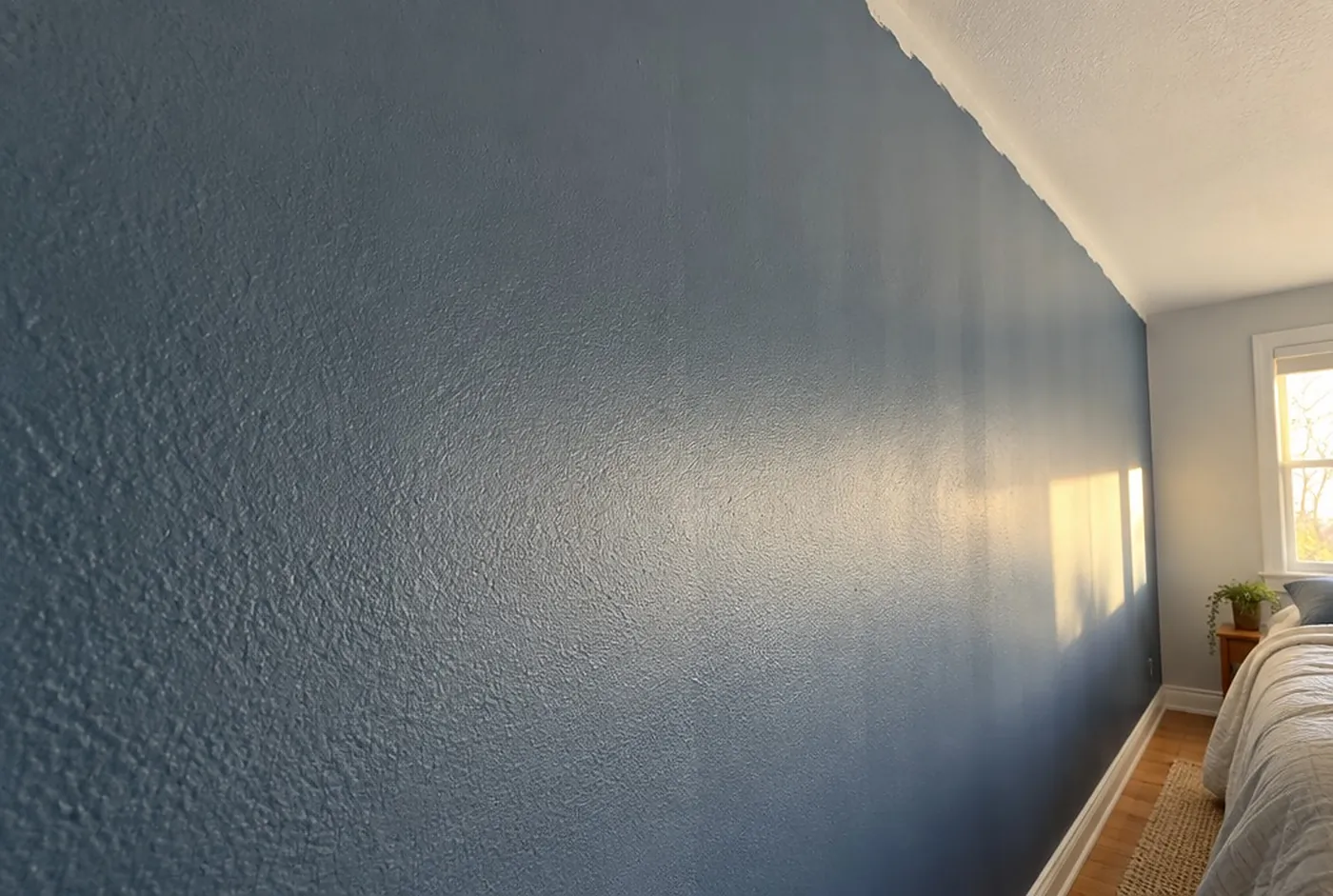
- An accent wall. One wall, one color, small enough to finish in an afternoon.
- Touch-ups. Scuffs and small patches, especially if you still have the original paint.
- Small pieces. A door, a bookcase, a mailbox post: low, flat and easy to reach.
- You enjoy it. If the work itself is the fun part and there is no deadline, DIY is a good trade.
- Light over light. Going from one light color to another usually covers in two coats without special primer.
Doing it yourself? Our step-by-step guide on how to paint a room covers the prep and technique, and the paint calculator tells you how many gallons to buy.
When Hiring a Painter Pays for Itself
Exteriors
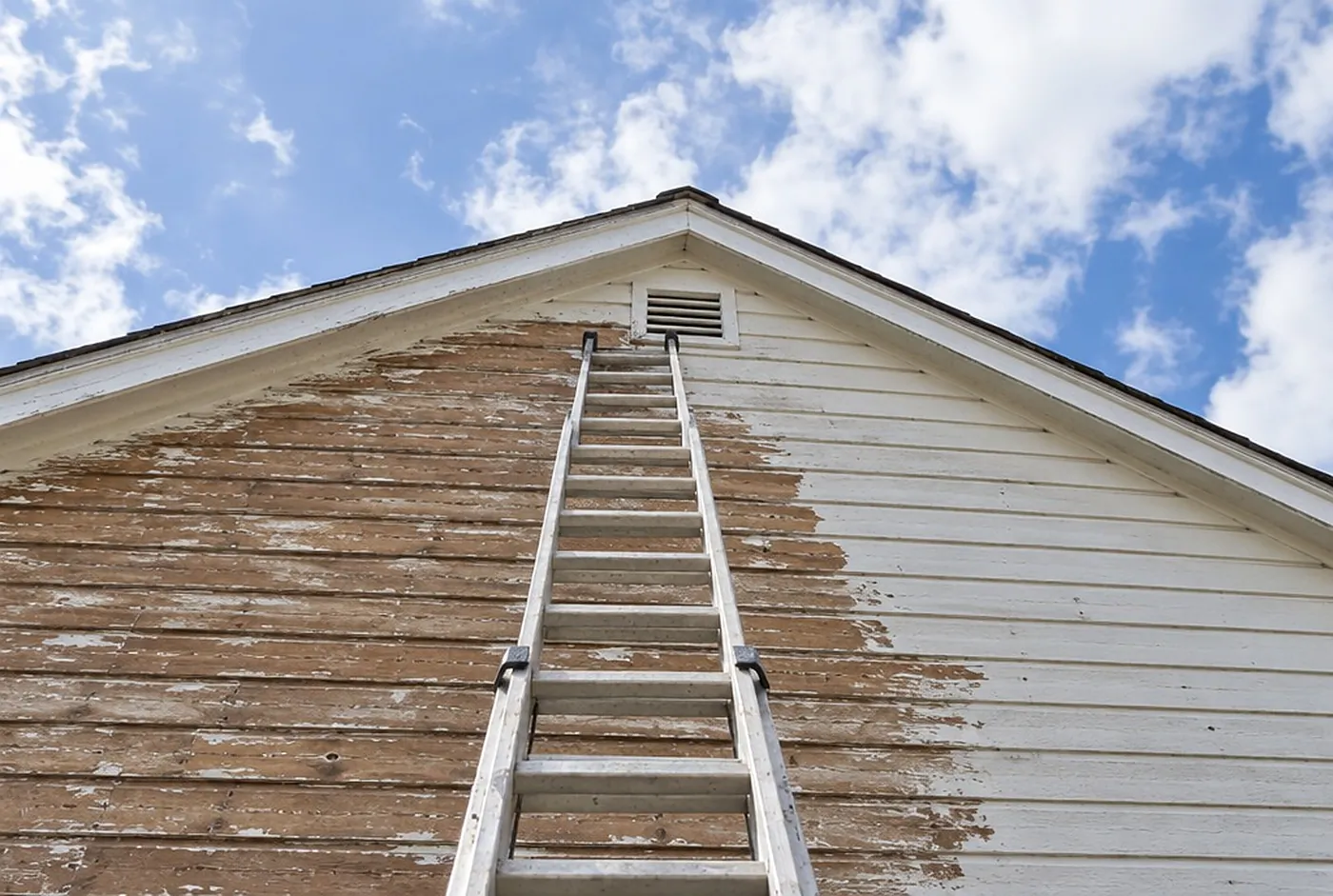
Washing, scraping, priming and painting a whole house means days on ladders. Two-story homes, soffits and gables are where DIY gets dangerous. See exterior painting.
High ceilings and stairwells
Vaulted rooms and stairwells need tall ladders or planks, and they are the hardest places to get an even finish.
Kitchen cabinets
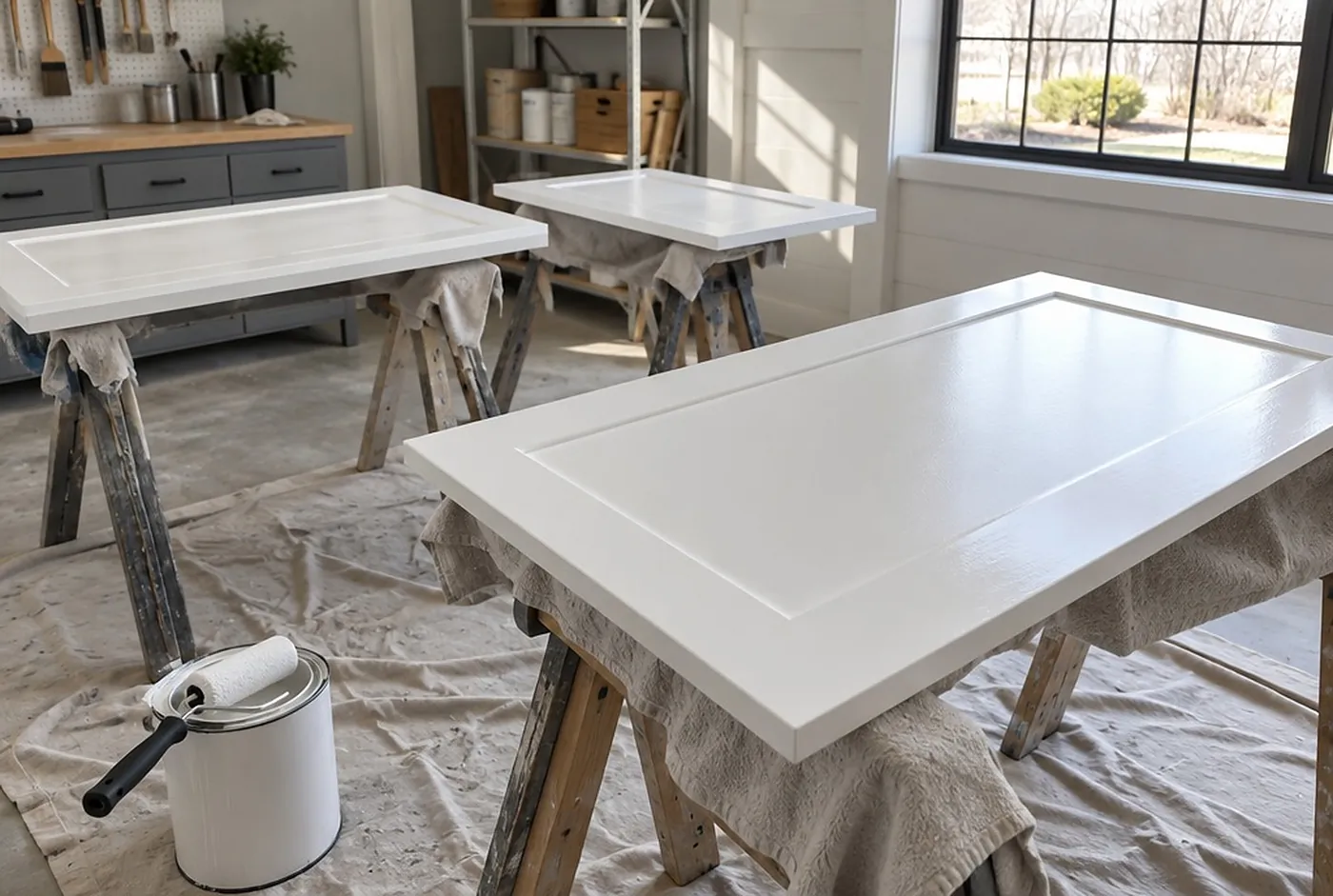
Cabinets get touched every day. A finish that lasts needs degreasing, sanding, primer that bonds and usually a sprayer. See cabinet painting.
Big color changes
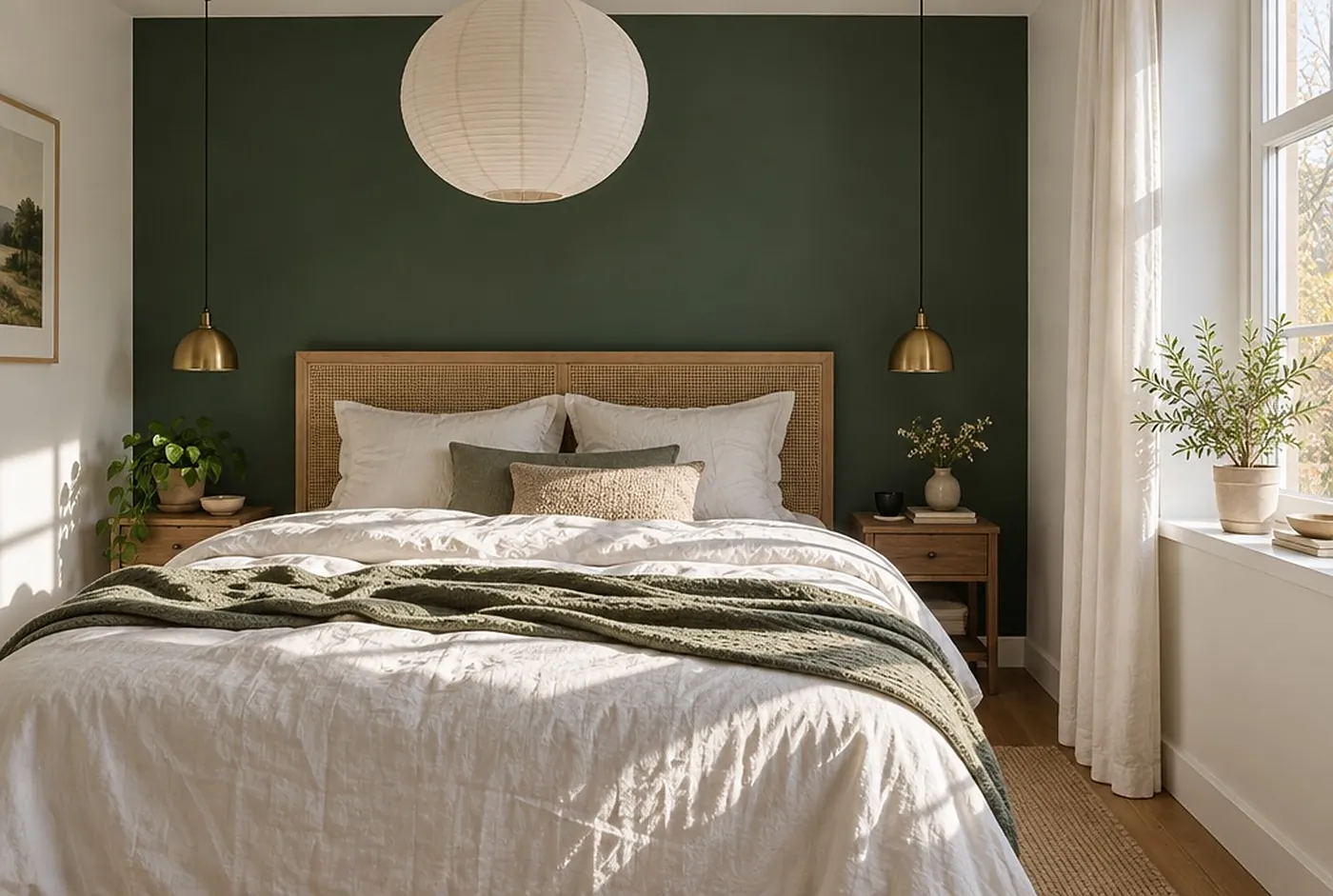
Dark to light, or a strong color, often needs primer and extra coats. It is easy to run out of paint and patience halfway.
Damaged walls
Cracks, holes, water stains and old patchwork have to be fixed and blended first, or the new paint shows every one of them. See drywall repair.
Many rooms or a deadline
Moving in, moving out or listing a house: a crew paints in days what takes a homeowner weekends.
What DIY Actually Costs
A gallon of paint covers about 350 to 400 square feet, according to Sherwin-Williams. The walls of a 12 by 12 foot bedroom with 8-foot ceilings add up to about 384 square feet, so two coats take roughly two gallons, before you count the ceiling and trim.
Paint for one 12 × 12 bedroom
8-foot ceilings, two coats.
One can is a gallon; a part-filled can is the extra quarts.
Walls. About 384 sq ft, minus doors and windows
: About 2 gallonsCeiling. About 144 sq ft
: About 1 gallonTrim and door. Baseboards, casings, one door
: About 1 quart
Then add what you don’t own yet: rollers and covers, an angled brush for cutting in, tape, drop cloths, patching compound, a sanding block, and a ladder tall enough for the room. None of it is expensive on its own, but it adds up, and a ladder for stairwells or an exterior is a real purchase.
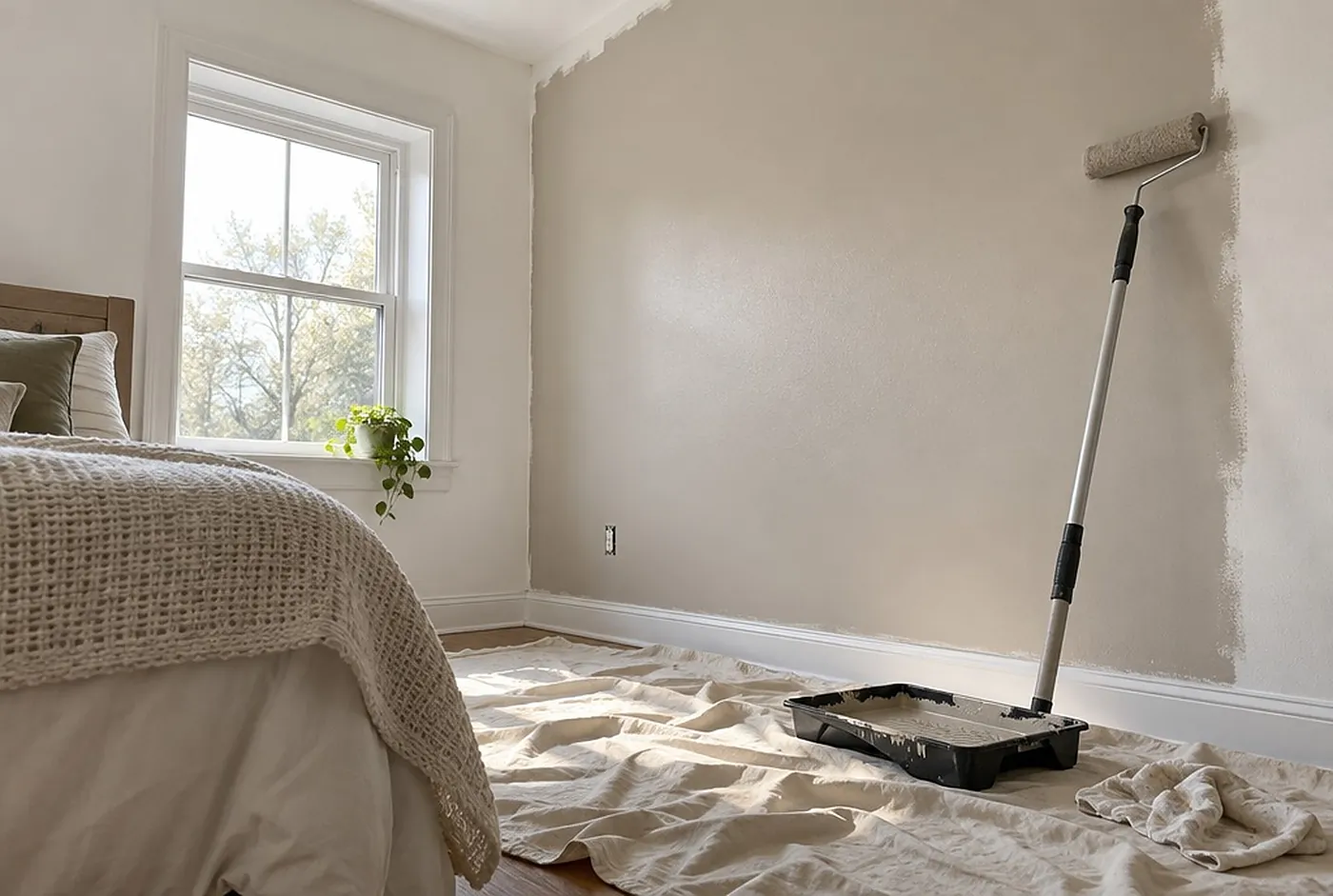
The biggest cost is time. Moving furniture, patching, sanding, taping, two coats with drying time between them, and cleanup usually fill a weekend for one room. If you would rather see what a professional job costs, our house painting cost guide breaks down what moves the price.
Where DIY Paint Jobs Usually Go Wrong
- Skipping prep. Paint shows every dent and crack it covers, and it peels off glossy, dusty or greasy surfaces. Patching, sanding and cleaning come first.
- One coat. One coat looks fine wet and patchy dry. Two coats is the standard for even color.
- Lap marks. Rolling over paint that has started to dry leaves stripes. Keep a wet edge and finish a wall before you stop.
- Wavy cut lines. The line where the wall meets the ceiling or trim is where a room looks professional or doesn’t.
- The wrong sheen. Flat paint in a bathroom or a hallway scuffs and marks. Our paint sheen guide matches finishes to rooms.
- Rushing in humid weather. Paint dries slower in damp air, and Memphis is humid for much of the year. A second coat on paint that is still soft leaves drag marks.
Ladders and Lead: The Two DIY Risks
By the numbers
- 136,000 people a year, about, treated in U.S. emergency rooms after ladder injuries
- 1978 homes built before then may have lead paint
Ladders
A national study of emergency room records found that ladder injuries sent about 136,000 people a year to U.S. emergency departments, and almost all of them happened outside of work, at home and on farms. Use a ladder that reaches without standing on the top steps, set it on firm, level ground, and keep three points of contact.
Lead paint in older homes
If your home was built before 1978, it may have lead-based paint, and the older the house, the more likely it is, according to the EPA. Sanding or scraping it makes lead dust. The EPA’s renovation rule generally does not apply to homeowners working on their own house, but the agency recommends hiring a lead-safe certified contractor, or using lead-safe work practices if you do it yourself. Test before you sand.
What You Get When Dario’s Painting Does It
- A free written estimate that lists surfaces, prep, coats, paint and days, with a start day and an end day.
- Dario, the owner, on every job. Crews speak English and Spanish.
- Licensed and insured in Tennessee.
- Paint included: premium Sherwin-Williams or Benjamin Moore, never thinned.
- Patch, sand, caulk and prime first, then two coats.
- Furniture moved and covered, floors protected, the room put back each evening.
- A final walkthrough, and anything you point at is fixed before the job is called done.
Got questions?
Is it cheaper to paint a room yourself?
Usually, if you only count dollars: you pay for paint and tools instead of labor. The gap shrinks once you add tools you don’t own, a second weekend for touch-ups, and fixing mistakes. For one room with normal ceilings, DIY usually saves money. For a whole house, an exterior or cabinets, the time and risk usually outweigh the savings.
How long does it take to paint a room yourself?
Plan on a full weekend for a first room once moving furniture, patching, taping, two coats, drying time and cleanup are counted. A professional crew usually finishes a standard bedroom in about a day, prep included.
Is it worth hiring a painter for just one room?
It can be. High ceilings, a dark color change, damaged walls or a tight deadline all make one room harder than it looks. A free estimate costs nothing and tells you exactly what the pro price is.
Can I use paint I already bought?
Yes. If you already have paint you want used, tell Dario at the walkthrough and the quote is priced that way.
What should I ask before hiring a painter?
Whether they are licensed and insured, what the written estimate includes (prep, coats, paint brand and days), who will actually be on the job, and how cleanup and the final walkthrough work. Our checklist of questions to ask a painter covers the rest.
Sources
- Sherwin-Williams: paint calculator and coverage FAQ — a gallon covers about 350–400 sq ft
- U.S. EPA: Renovation, Repair and Painting Program for do-it-yourselfers — homes built before 1978, lead-safe practices
- American Journal of Preventive Medicine: Ladder-related injuries treated in U.S. emergency departments, 1990–2005 — about 136,000 a year, 97% outside of work
Checked September 2026. Prices and product details change; your written estimate has the numbers for your house.