How to paint a room like a professional
 Dario’s PaintingSep 30, 20268 min readLast updated: Sep 30, 2026
To paint a room, clear and cover the space, wash the walls, patch and sand, prime where you need it, cut in the edges, roll two coats and finish with the trim. Plan on about two days for one bedroom if you are doing it yourself, drying time included, with about 4 hours between coats. Primer is optional over clean walls in a similar color; where you need it, one or two coats is usual. This guide covers what you need, every step in order, drying in Memphis humidity and when to call a pro. Rather hand it off? See interior painting in Memphis.
What You Need
Benjamin Moore says to use a high-quality brush and roller cover, with a nap that suits your wall texture.
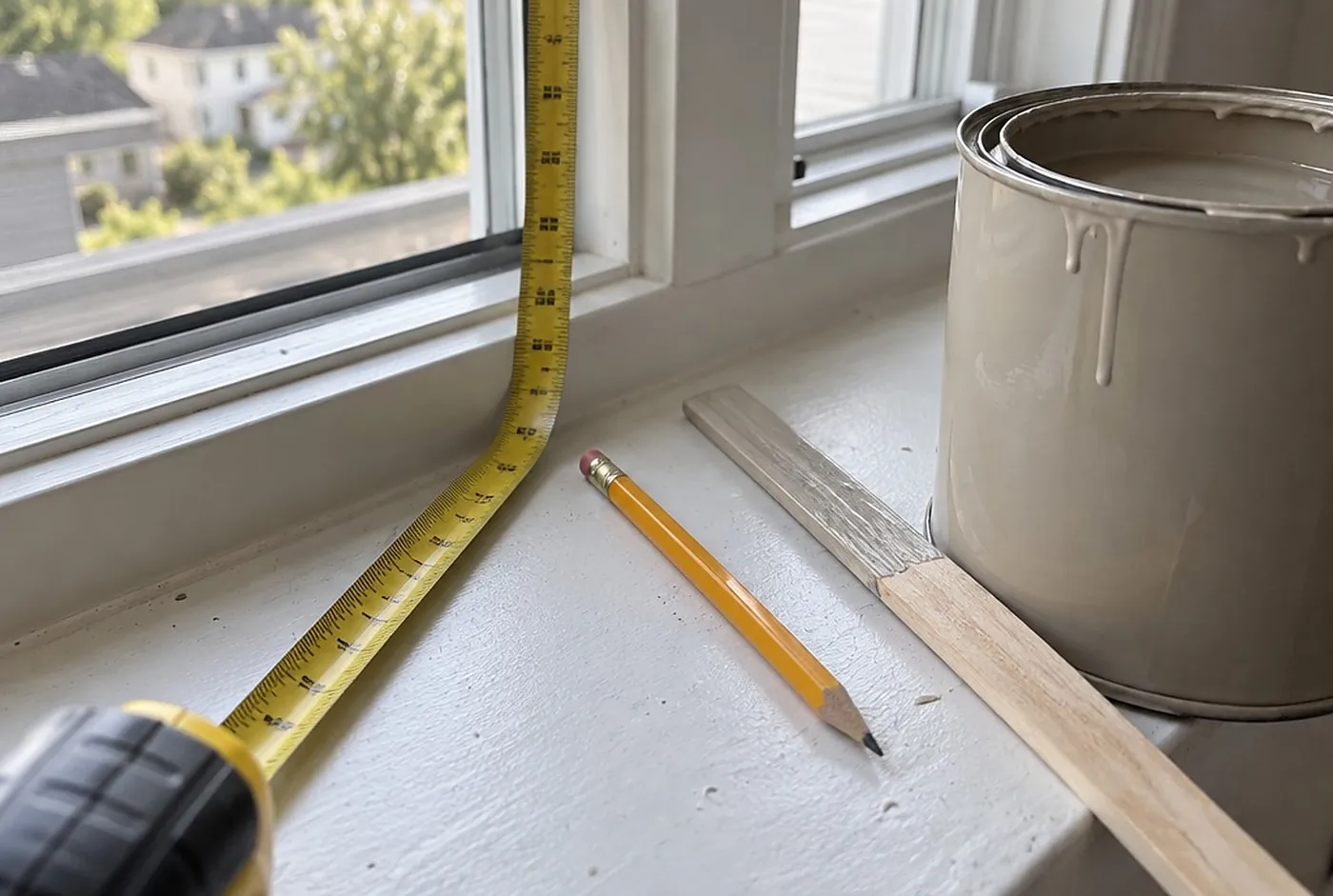
Your supply list
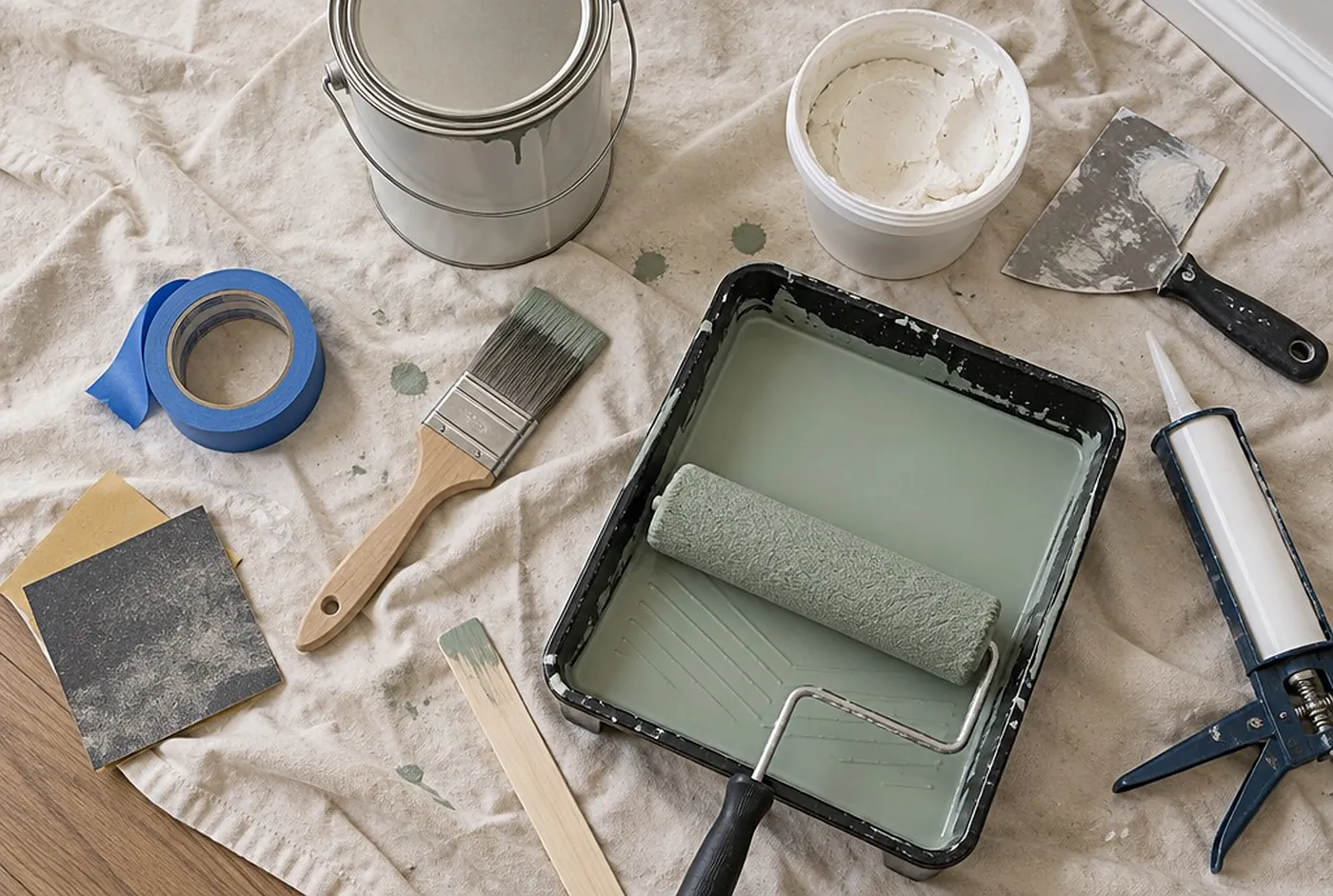
- Drop cloths. Protect the floor. Canvas absorbs drips and can be reused; plastic and paper slide, so tape their edges down.
- Painter’s tape. Sharp lines along trim, ceilings and door frames. Use long strips, not short ones.
- Bucket, mild dish soap and a sponge. Wash off grime and grease so paint sticks.
- Spackle, putty knife and 220-grit sandpaper. Fill holes and dents, then sand smooth.
- Paintable acrylic caulk and a caulk gun. Closes small gaps between trim and wall.
- Primer. For patches, stains, bare drywall and big color changes.
- Angled sash brush. A 2-inch or 2½-inch brush cuts in along ceilings, corners and trim.
- Roller, cover, tray and extension pole. A 3/8-inch to 1/2-inch nap suits smooth walls; use 1/2-inch to 1-inch on rough or stippled ones.
- Paint. A gallon covers about 350 to 400 square feet, and you need two coats. Our paint calculator works out how many gallons.
- Ladder, rags and a stir stick. Reach high spots, wipe up drips and mix the paint.
How to Paint a Room, Step by Step
- 1 Clear
- 2 Wash
- 3 Patch and sand
- 4 Prime
- 5 Cut in
- 6 Roll
- 7 Second coat
- 8 Trim
- 9 Clean up
Step 1: Clear and protect the room
Move furniture out, or to the middle of the room under a cover. Lay drop cloths over the floor and take off switch plates and outlet covers.
Step 2: Wash the walls
Wipe walls and trim with lukewarm water and mild soap, top to bottom, then rinse with a slightly damp sponge. Remove any mildew with a mildew remover first, because it grows through new paint. Let everything dry completely before you tape.
Step 3: Patch, sand and caulk
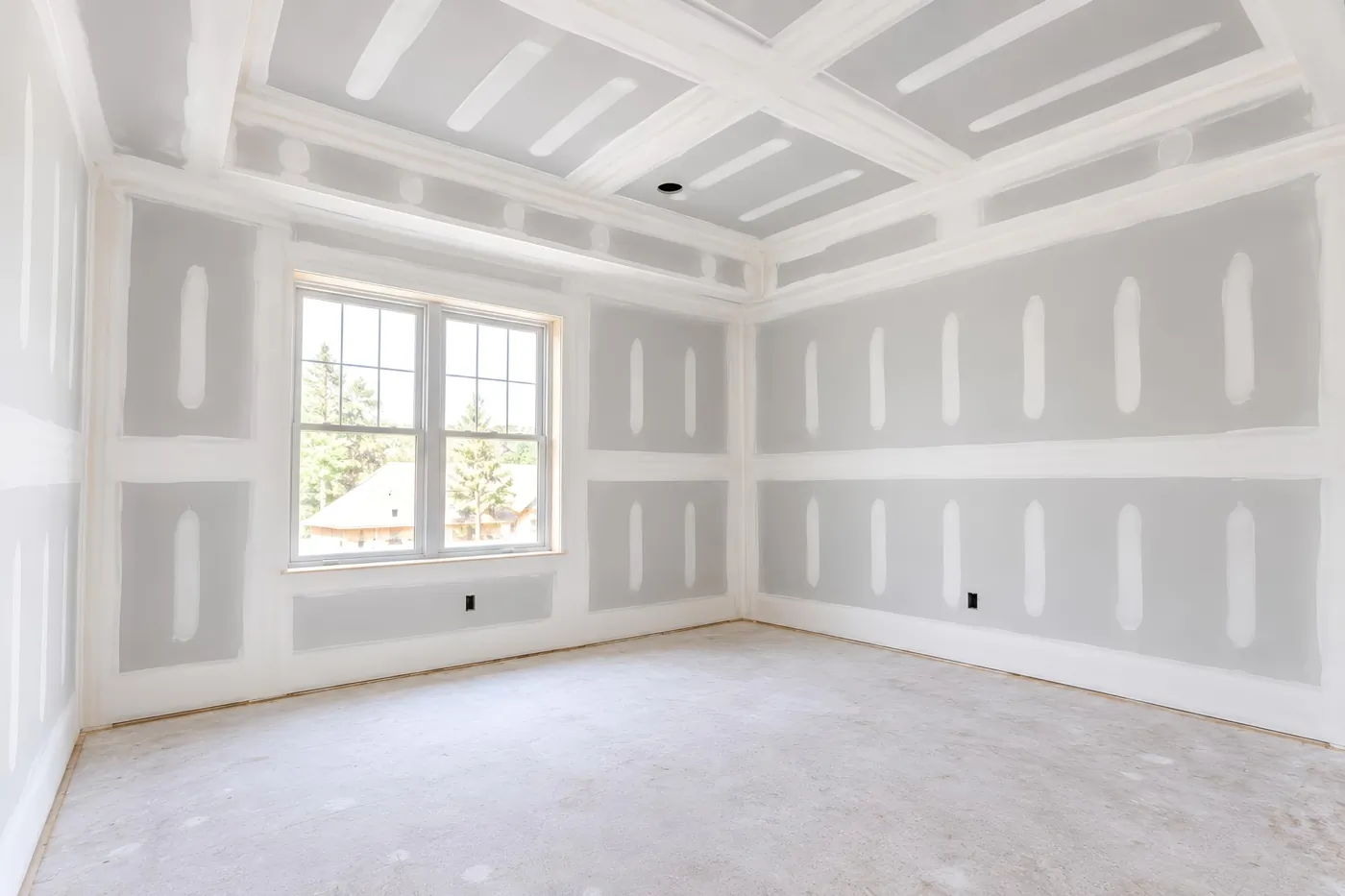
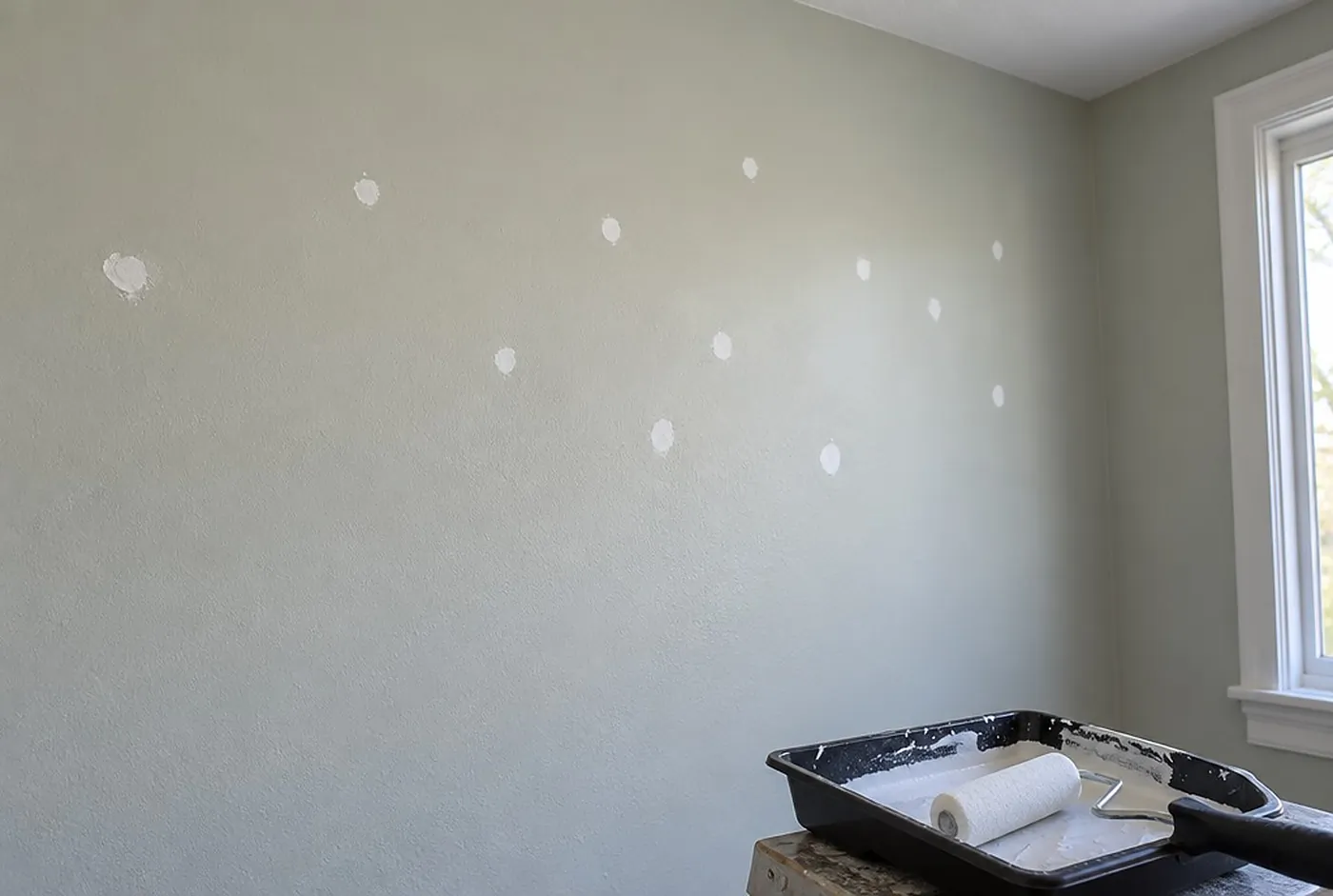
Scrape off loose paint and fill holes and cracks with spackle. When it dries, sand the patches smooth with 220-grit sandpaper, then vacuum the dust and wipe the walls with a damp rag. Caulk small gaps where trim meets the wall with paintable caulk and smooth the bead with a wet finger. Big cracks or water damage? See drywall repair.
Step 4: Prime where you need it
Prime every patch, bare spot and stain, and the whole wall for a big color change. Use a tinted primer under a darker color. Let the primer dry completely before you paint.
Work from the top down
Paint the ceiling first, then the walls, and the trim last, so drips land on what you have not painted yet.
- 1 Ceiling first, if it is getting paint.
- 2 Walls cut in the edges, then roll.
- 3 Trim baseboards, casings and door frames, once the walls are dry.
Step 5: Cut in the edges
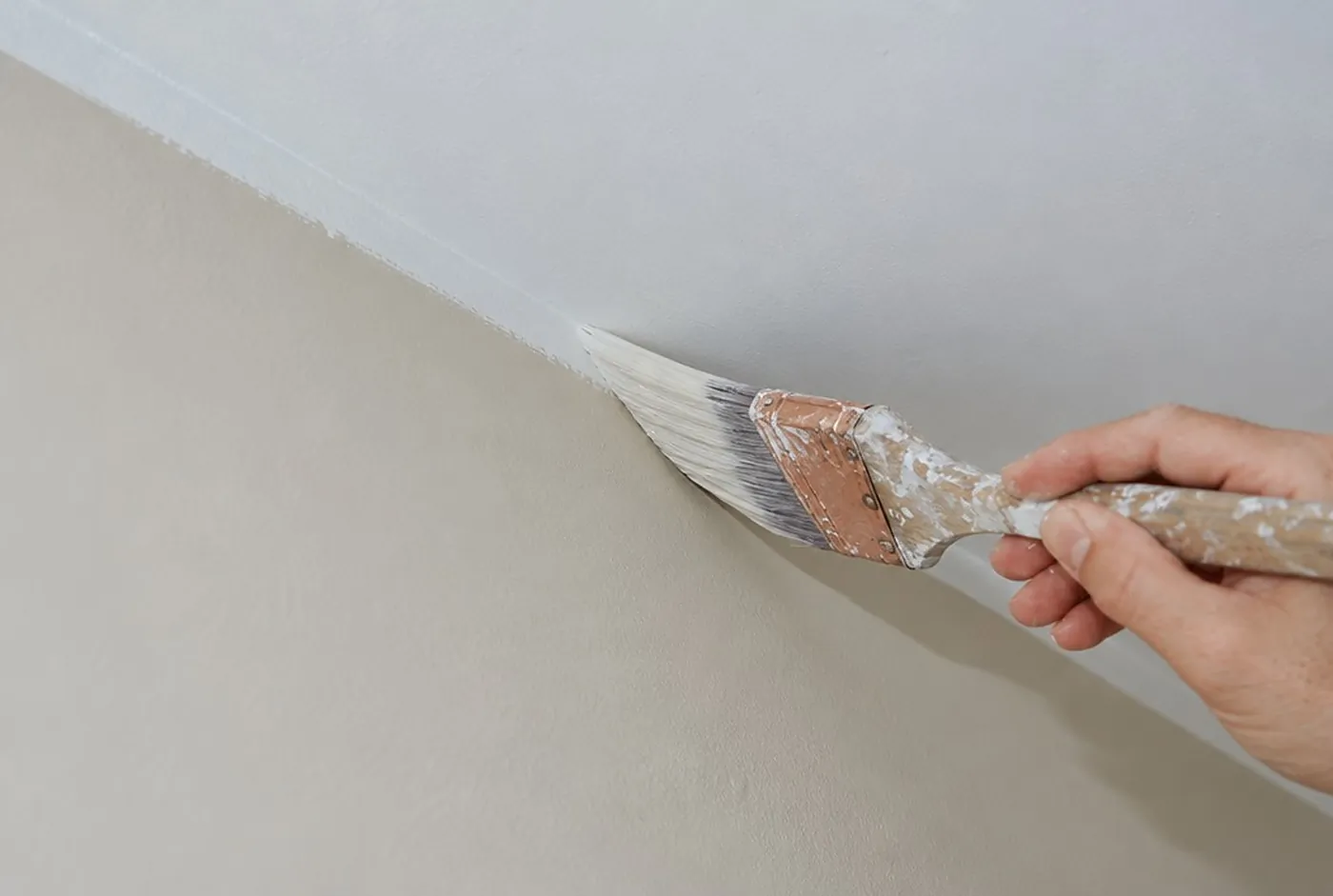
If the ceiling is getting paint, do it first, then the walls; trim comes last. Dip an angled brush about halfway, tap off the extra, and paint a 2-inch to 3-inch strip along the ceiling, corners, baseboards and frames.
Step 6: Roll with a wet edge
While the cut-in strip is still wet, roll paint onto the wall and overlap into it. Start in a dry area and work back toward the wet paint in an N or W pattern. In a big room, cut in and roll one section at a time so the edge never dries.
Cut in, then roll a W
- 1 Cut in a 2- to 3-inch band along the ceiling, corners and baseboards.
- 2 Roll an N or W starting in a dry area, while the band is still wet.
- 3 Fill it in working back toward the wet paint, so the edge never dries.
Step 7: Apply the second coat
Let the first coat dry completely. Most latex wall paints are ready to recoat in about 4 hours at 77°F and 50% humidity, and later when it is damper or cooler. Then cut in and roll again the same way.
Step 8: Paint the trim
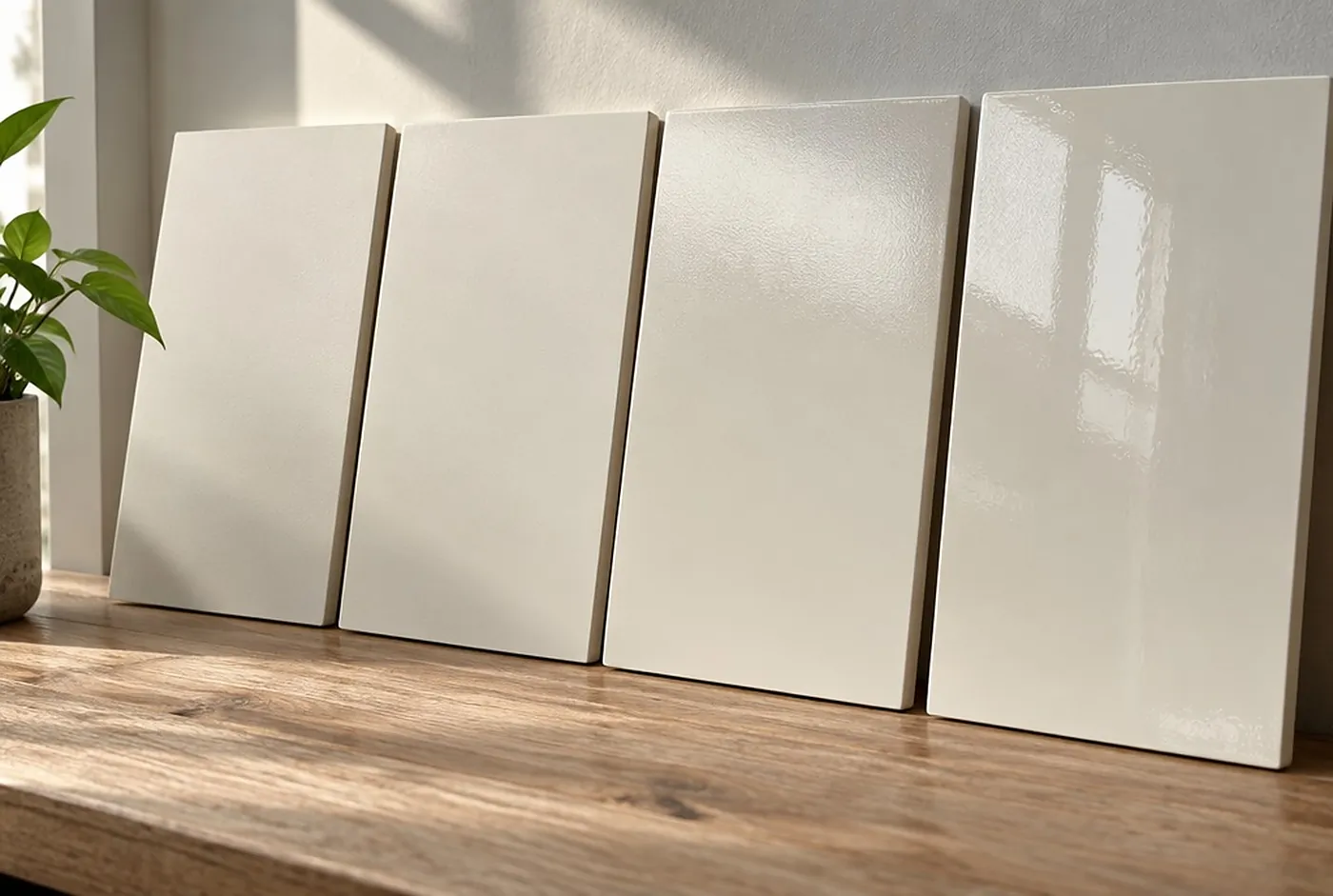
Do baseboards, casings and door frames last, so drips land on nothing you still have to paint. Tape only after the walls are completely dry. Semi-gloss or gloss is more durable and easier to clean on trim; our paint sheen guide compares the finishes and the trim and doors guide covers the technique.
Step 9: Clean up
Peel the tape slowly once the paint is dry to the touch, usually within 24 hours. Wash brushes, rollers and trays in warm soapy water right away. Keep leftover paint from freezing, and never pour it down the drain.
Do You Need Primer, and How Many Coats?
Not always. Prime where the wall would soak up paint unevenly, show a stain or fight a color change. Bob Vila says one to two coats of primer will usually do for interior walls.
Clean paint in good shape, similar color
Skip the overall primer. Prime any patches and bare spots, then roll two coats of paint.
New drywall or bare plaster
Prime it. Sherwin-Williams specifies one coat of primer; Bob Vila recommends two, since raw drywall soaks up much of the first.
Water, smoke, grease or ink stains
Seal them with a stain-blocking primer first, or they bleed through the paint.
Dark to light, or a strong new color
Prime. A coat of primer improves how well the new color covers, says Sherwin-Williams, and a tinted primer suits a darker color. Bob Vila suggests two thin coats going from dark to light.
Glossy walls or old oil-based trim
Sand the shine off, then use a primer made to bond to glossy surfaces. Older Memphis houses can have oil-based trim, which needs the right primer before water-based paint will stick.
Paint and primer in one
Still plan on two coats. Benjamin Moore says its self-priming Ben paint can sometimes cover in one coat but recommends two for full color and performance.
How Long Does It Take to Paint a Room?
Most first-timers need about two days for one bedroom, with drying time counted. Bob Vila puts a DIY bedroom at around two days, Sherwin-Williams says a day or two, and Benjamin Moore says two to three. Dario’s crew usually finishes a standard bedroom in a day, prep included.
By the numbers
- About 2 days for one bedroom on your own, drying time included
- About 4 hours between coats at 77°F and 50% humidity
- 1 day is usual for Dario’s crew, a standard bedroom with prep
| Task | Time |
|---|---|
| Prep: cleaning, patching, sanding, taping | 30 minutes to 2 hours |
| Moving and covering furniture | 1 to 2 hours |
| Walls | 1 to 2 hours per coat |
| Trim | 30 minutes to 1 hour per coat |
| Waiting between coats | About 4 hours |
| Cleanup | 15 to 30 minutes for disposable supplies; 30 minutes to 1 hour to wash brushes, rollers and cloths |
Drying Time in Memphis Humidity
Paint dries slower in damp air, and Memphis is humid for much of the year. Benjamin Moore’s data sheet lists 4 hours to recoat at 77°F and 50% humidity, and says high humidity and cool temperatures make it longer. In a muggy summer, give each coat extra time, because a second coat over soft paint drags and leaves marks.
Run the air conditioner: Benjamin Moore says air conditioners act as dehumidifiers and speed drying on humid days. Open windows only if the air outside is less humid than the air inside. Kitchens and bathrooms need the most patience.
Dry is not cured. Acrylic paint can feel dry in an hour but takes 2 to 3 weeks to cure, and Benjamin Moore’s data sheet says painted surfaces can be washed after two weeks. Go easy on scrubbing until then.
Dry is not cured
Acrylic wall paint at 77°F and 50% humidity. Damp or cool air stretches every step.
- 1 hour: Dry to the touch.
Acrylic paint can feel dry this soon, but it is not cured.
- About 4 hours: Ready for the second coat.
Later when the air is damper or cooler.
- 2 weeks: Washable.
Benjamin Moore’s data sheet says painted surfaces can be washed after two weeks.
- 2 to 3 weeks: Cured.
Go easy on scrubbing until then.
When to Call a Pro
One room with normal ceilings is a good DIY job. Call a painter when:
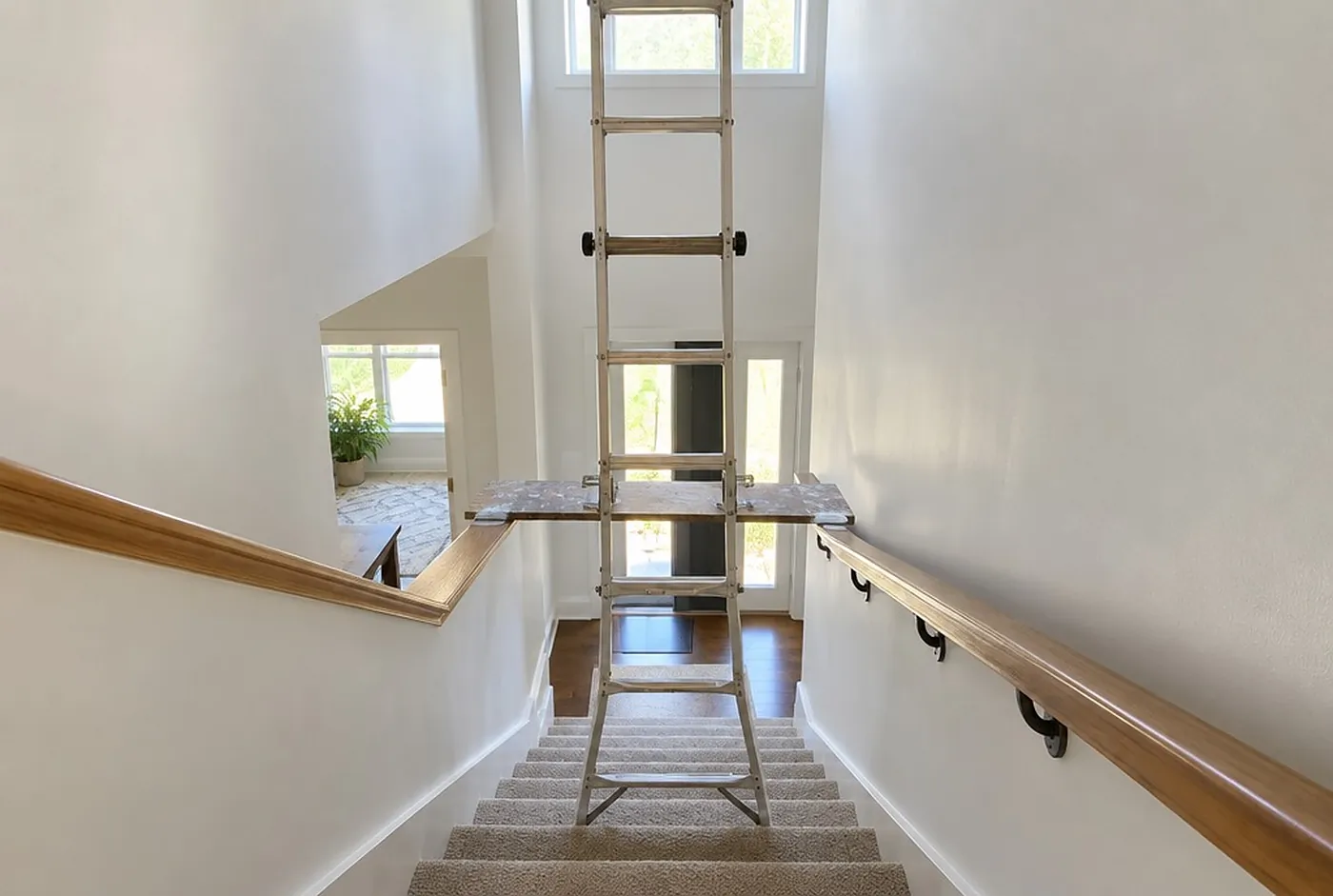
- The ceilings are high, or the room has a stairwell.
- Walls have cracks, water stains or old patchwork.
- You are going from a dark color to a light one.
- You have several rooms to do, or a firm deadline.
Our guide on DIY vs hiring a painter compares cost, time and results. If you hand it off, Dario’s Painting patches, sands, caulks and primes first, then paints two coats, and the estimate is free and written. Interior painting lists what is included.
Got questions?
How do I paint a room like a professional?
Prep first: wash, patch, sand and prime where needed. Then cut in a 2-inch to 3-inch strip with an angled brush, roll into the wet edge, put on two coats and paint the trim last. Most of the difference is prep and patience.
How long does it take to paint a room?
About two days for one bedroom if you are doing it yourself, drying time included. A professional can do a standard bedroom in around a day.
How do I clean walls before painting?
Wash them with lukewarm water and mild soap on a sponge, top to bottom, and rinse with a slightly damp sponge. Let them dry completely before taping. Remove any mildew first, since it grows through new paint.
Do I need primer before painting walls?
Not always. You can skip it over clean, sound paint in a similar color, but prime patches, bare spots, stains, new drywall and big color changes.
How many coats of primer do I need?
Usually one or two. Bob Vila says one coat is enough over a white wall or with a tinted primer, and two coats suit unfinished drywall or plaster and dark-to-light changes.
How do I prep walls for painting?
Move the furniture and cover the floors, wash the walls and let them dry, then scrape loose paint, fill holes and cracks, sand the patches and caulk the gaps. Prime the patches and stains, and tape the edges before you paint.
Sources
- Sherwin-Williams: The Best Order to Paint a Room — ceiling, walls, trim last; 2–4 hours between coats; a day or two; tape off within 24 hours
- Sherwin-Williams: How to Prep Walls for Painting — washing, drop cloths, tinted primer under darker colors, roller nap sizes
- Sherwin-Williams: Painting Ceilings, Walls & Trim (Just for Starters PDF) — 2- to 3-inch cut-in strip, wet edge, semi-gloss trim, brush and tape technique
- Sherwin-Williams: SuperPaint Interior Latex Satin product data sheet — 350–400 sq ft per gallon; touch 1 hour, recoat 4 hours at 77°F and 50% RH; primer, mildew and glossy-surface notes
- Benjamin Moore: Ben Premium Interior Acrylic Paint & Primer Semi-Gloss data sheet (N627) — recoat 4 hours at 77°F and 50% RH; humidity lengthens drying; wash after two weeks; two coats
- Benjamin Moore: How to Paint a Room in 7 Steps — 220-grit sandpaper, cleaning walls, high-quality brush and roller, at least two coats, two to three days
- Benjamin Moore: How to Make Paint Dry Faster — humidity, air conditioning and fans; dry time vs cure time of 2–3 weeks
- Bob Vila: How Long Does It Take to Paint a Room? — about two days DIY, about a day for a pro; 4 hours between latex coats
- Bob Vila: How Many Coats of Primer You Need — one to two coats; when one or two applies
- Glidden: How Long Does It Take to Paint a Bedroom? — task-by-task times for an 11 by 12 foot bedroom
- U.S. EPA: Renovation, Repair and Painting Program for do-it-yourselfers — homes built before 1978 may have lead-based paint; testing
Checked September 2026. Prices and product details change; your written estimate has the numbers for your house.