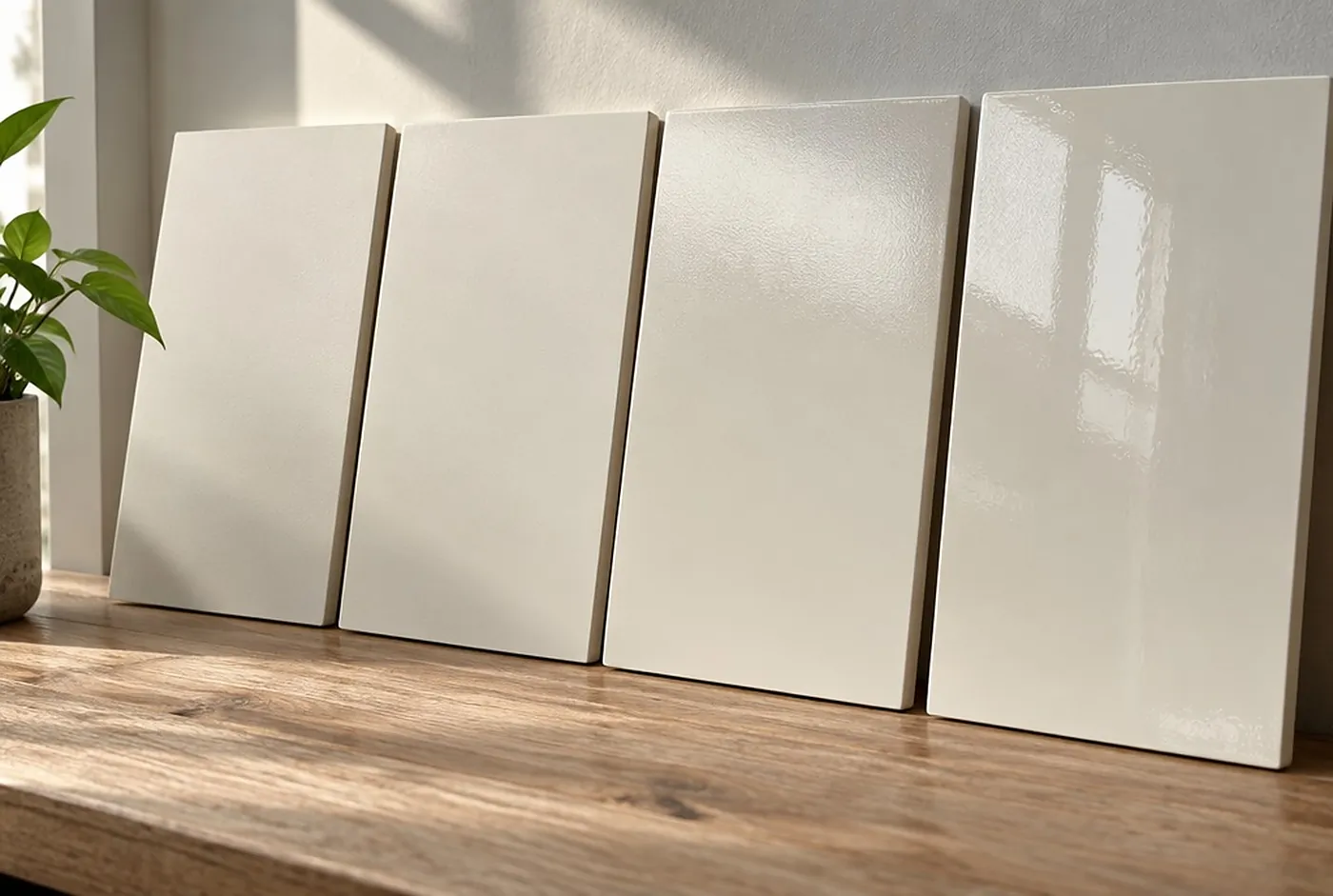
How often should you repaint your house?
 Dario’s PaintingSep 30, 20268 min readLast updated: Sep 30, 2026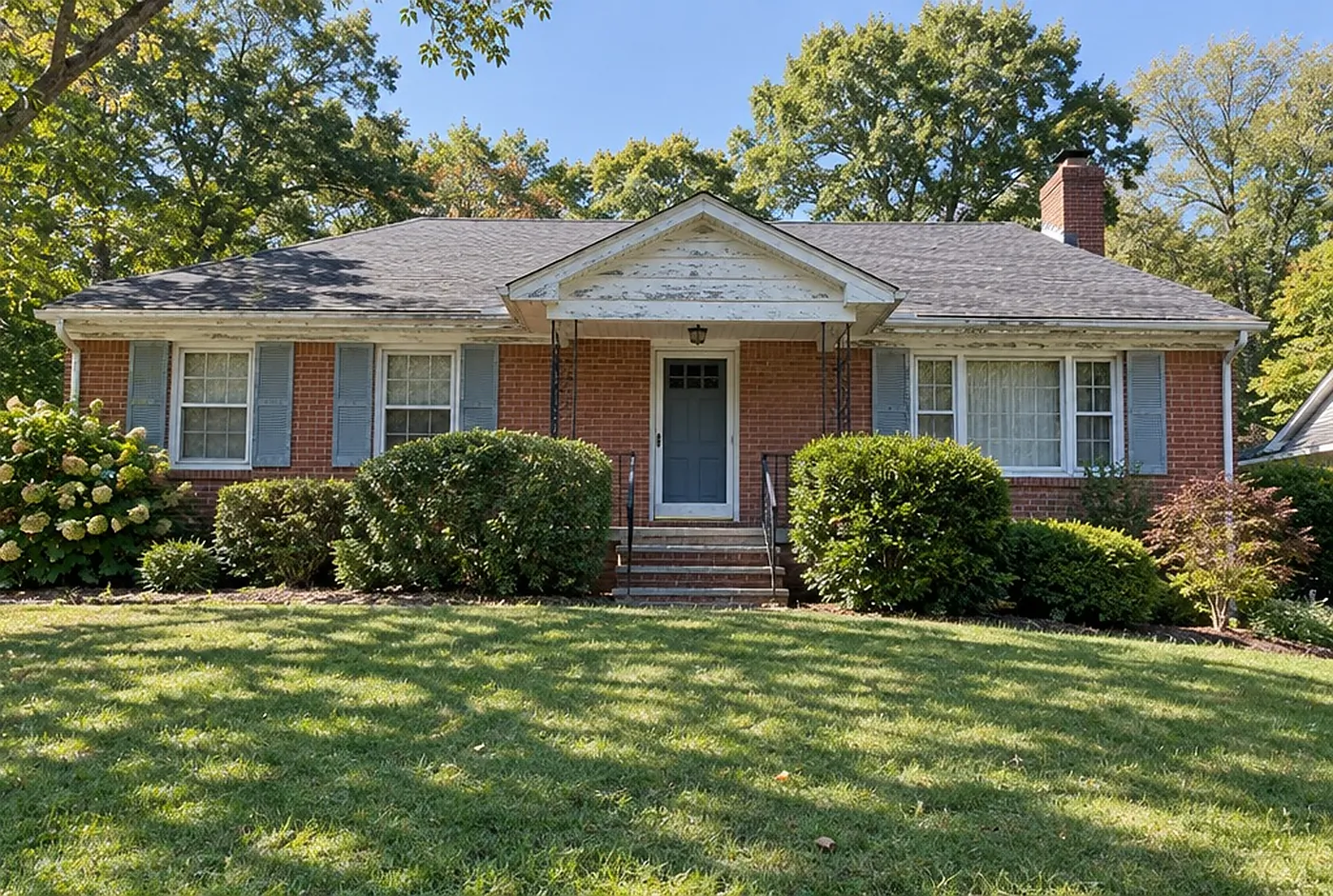
Plan to repaint interior walls every 3 to 10 years, sooner in kitchens, hallways and kids’ rooms, and a house exterior about every 7 to 10 years. Wood siding runs 3 to 7 years, stucco 5 to 7 and deck stain 2 to 3, while painted brick and fiber cement can go 10 years or more. In Memphis, sun-baked south and west walls wear first and shaded walls grow mildew, so walk the house each year for the warning signs. This guide covers intervals by room and surface, the signs it is time, and what Memphis weather does to paint. When it is time in Memphis, see exterior painting and interior painting by Dario’s Painting.
Interior Paint: How Long It Lasts by Room
HomeAdvisor says to repaint a home’s interior every 3 to 10 years, and Family Handyman says every 3 to 5 years or so for walls. High-traffic rooms need it sooner and low-traffic rooms can go longer. Pets, the quality of the last paint job, the paint type and sunlight also change the answer.
How often to repaint inside, by room
Doors, trim and baseboards
:- Every 2–4 years. High-touch areas show wear fastest.
Hallways and entryways
:- Every 3–4 years. The most scuffs and dings.
Kitchens and bathrooms
:- Every 3–4 years. Humidity, cooking and cleaning wear paint down.
Bedrooms and living rooms
:- Every 5–7 years. Children’s rooms sooner: HomeAdvisor lists them with the high-wear rooms.
Ceilings
:- About 10 years. Unless stained, or exposed to smoke or moisture.
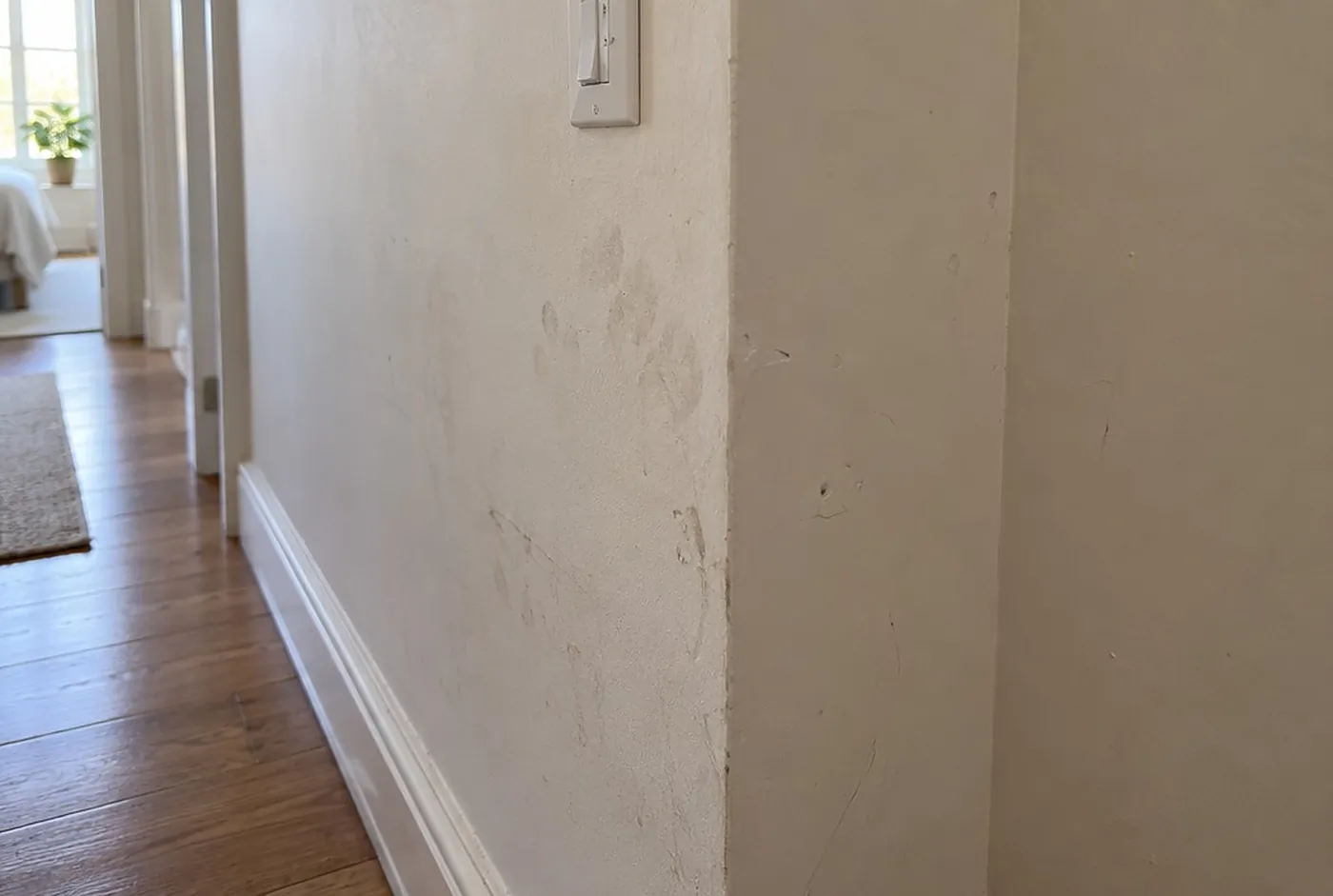
The room-by-room figures come from CertaPro Painters, and the whole-house ranges from HomeAdvisor and Family Handyman. The finish you choose matters too: see our paint sheen guide.
Exterior Paint: How Long It Lasts by Surface
Sherwin-Williams says exterior paint may last 7 to 10 years, depending on climate, surface material and paint quality. This Old House says most paint lasts about 15. By surface, the ranges are wider.
How often to repaint outside, by surface
Exterior trim: every few years (Family Handyman). Soffits and covered porches: about every other repaint of the walls (USDA).
Exterior doors
:- 3–5 years. Metal doors, This Old House. Dark colors fade faster.
Wood siding
:- 3–7 years. Bob Vila. The USDA lab estimate for a primer and two topcoats: 6 to 20 years.
Stucco
:- 5–7 years. CertaPro; Bob Vila says 5 to 6.
Painted brick
:- 10–15 years. CertaPro; Bob Vila says up to 20.
Fiber cement siding
:- 10–15 years. Bob Vila
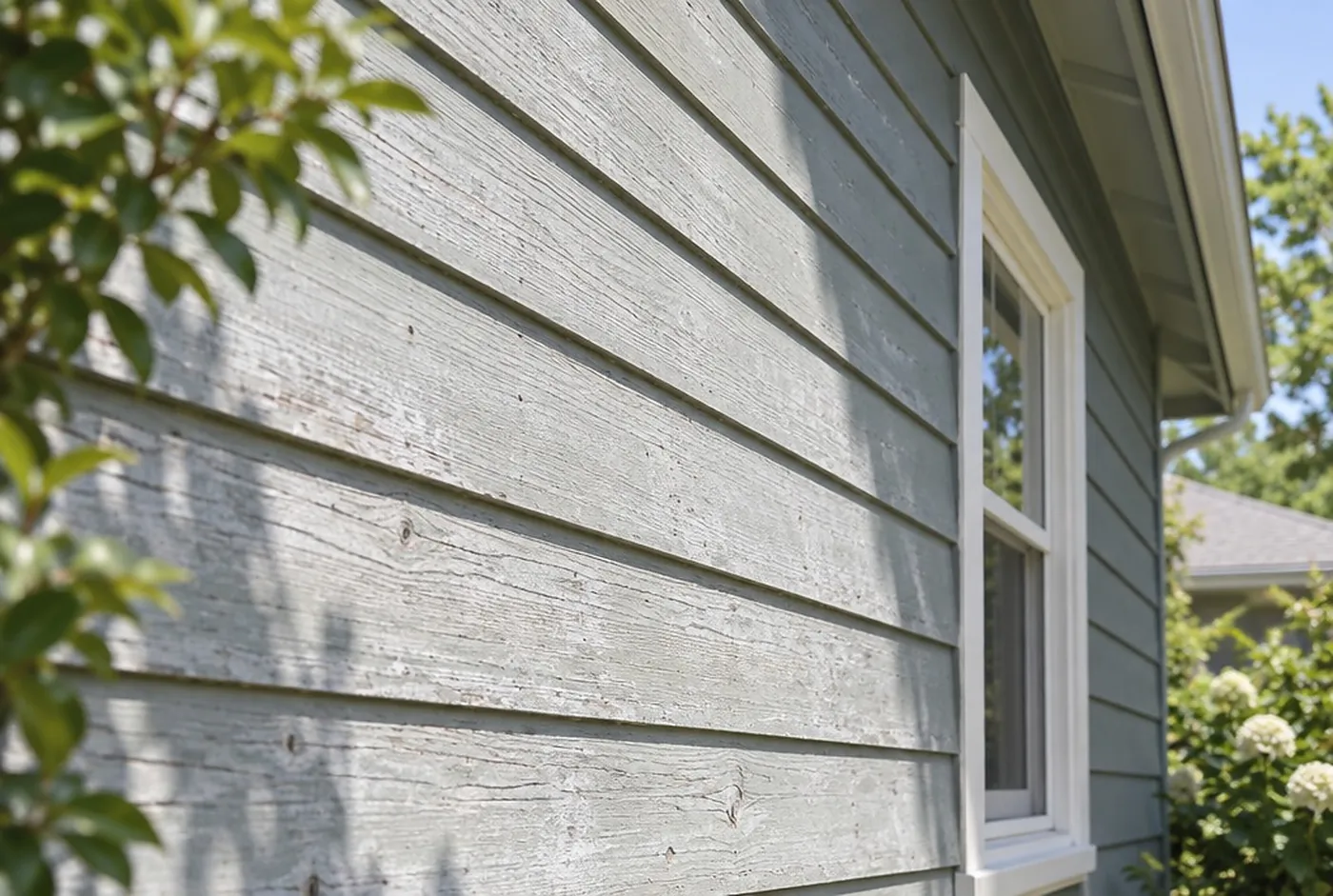
These are averages, not deadlines. Paint that is sound but discolored by mildew needs washing, not repainting. For the brick specifics, see brick painting.
Deck and Fence Stain: How Long It Lasts
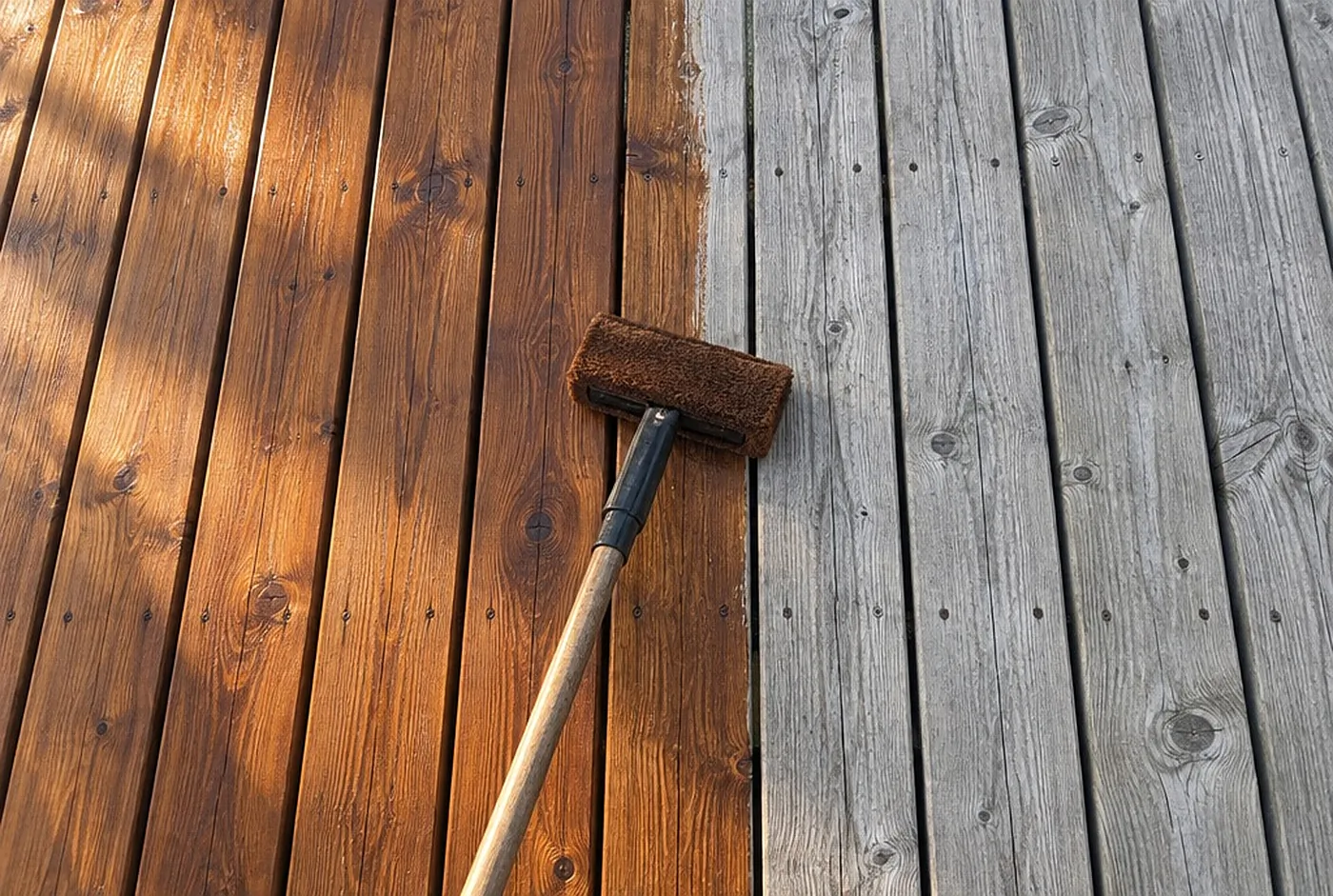
Sherwin-Williams calls every 2 to 3 years a commonly accepted guideline for deck staining, depending on the wood, the stain, how much the deck is used and the climate. The USDA Forest Products Laboratory gives estimates by finish.
| Finish | On decks | On siding (vertical wood) |
|---|---|---|
| Tinted deck finish | 1 to 2 years on new smooth boards, 2 to 3 on weathered or saw-textured boards | 1 to 3 years |
| Semitransparent stain | 2 to 3 years on new smooth boards, 3 to 6 on weathered or saw-textured boards | 2 to 8 years, depending on the wood and its texture |
| Solid-color stain | Rated low: it forms a film that wears through and peels | 6 to 15 years |
| Paint | Rated low, for the same reason | 6 to 20 years for a primer and two topcoats, depending on the wood |
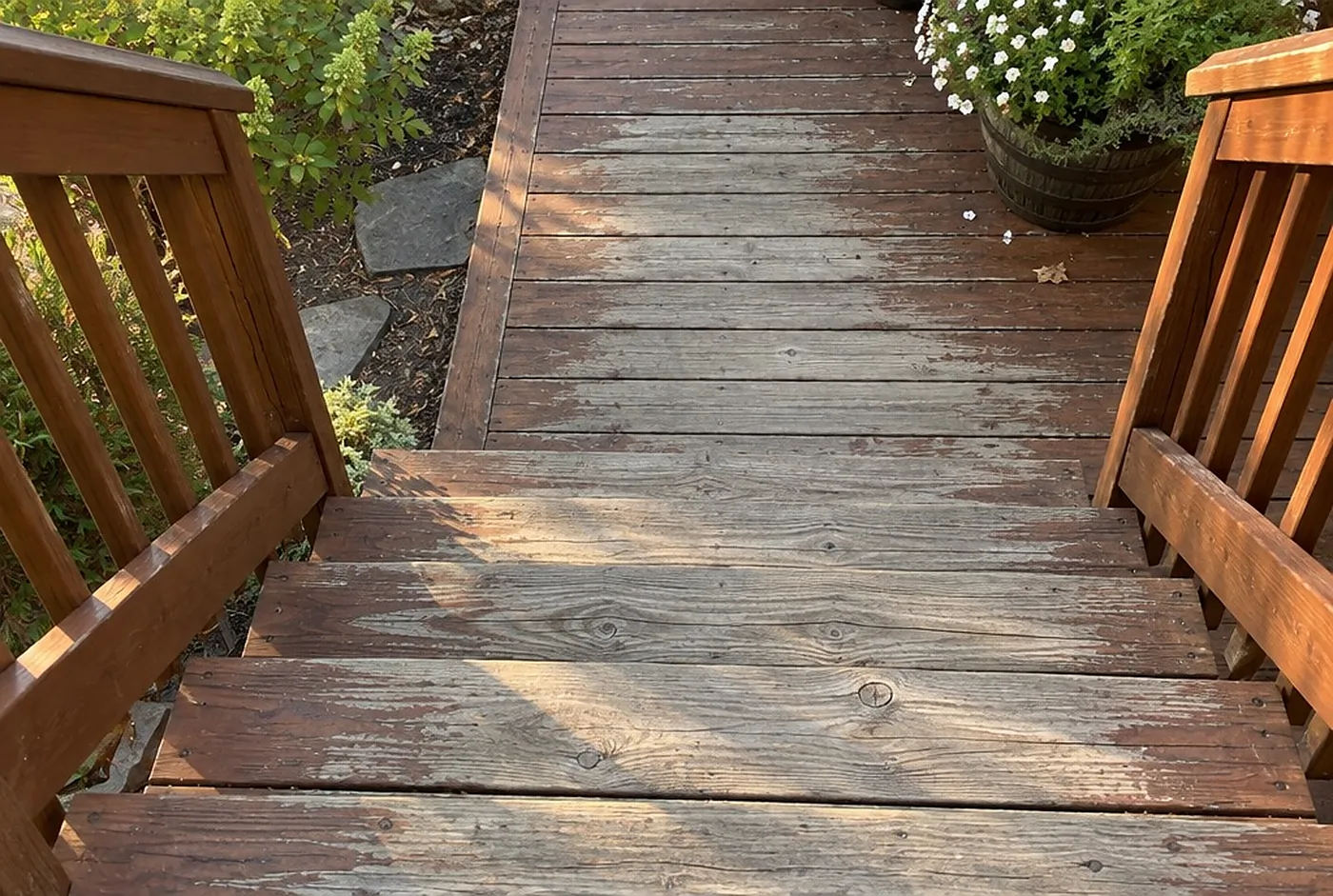
Stain wears away instead of peeling, so it is easy to redo. The USDA says penetrating finishes cannot crack or flake, and pigment protects the wood from sun, so a tinted stain outlasts a clear one. A fence is vertical like siding, but the USDA notes that fences, like decks, are fully exposed to the weather, so treat the siding figures as a best case. See how to stain a fence or deck.
Signs It Is Time to Repaint
Years are only a guide. The paint tells you more, so walk the house and look for these five signs.
What each sign looks like
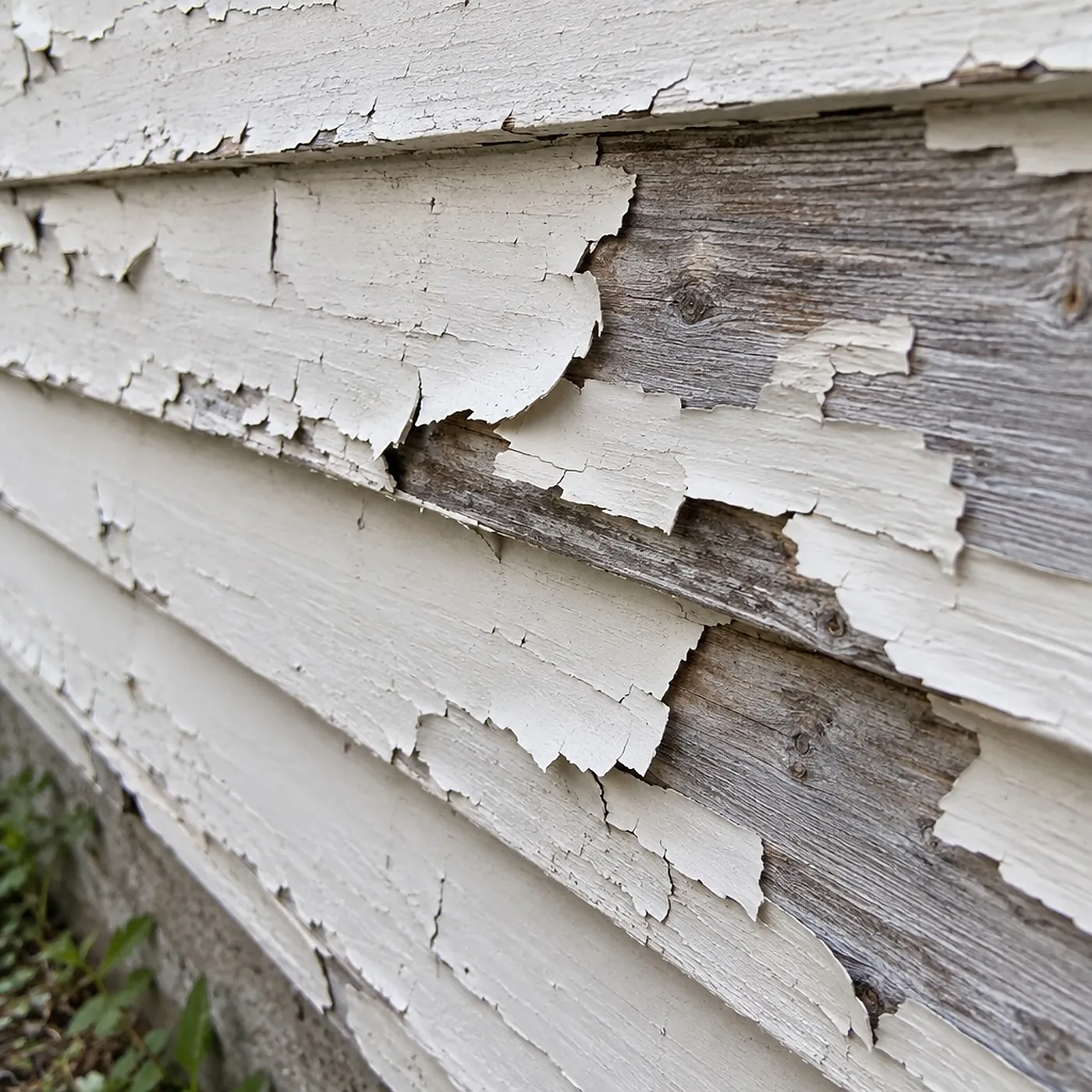
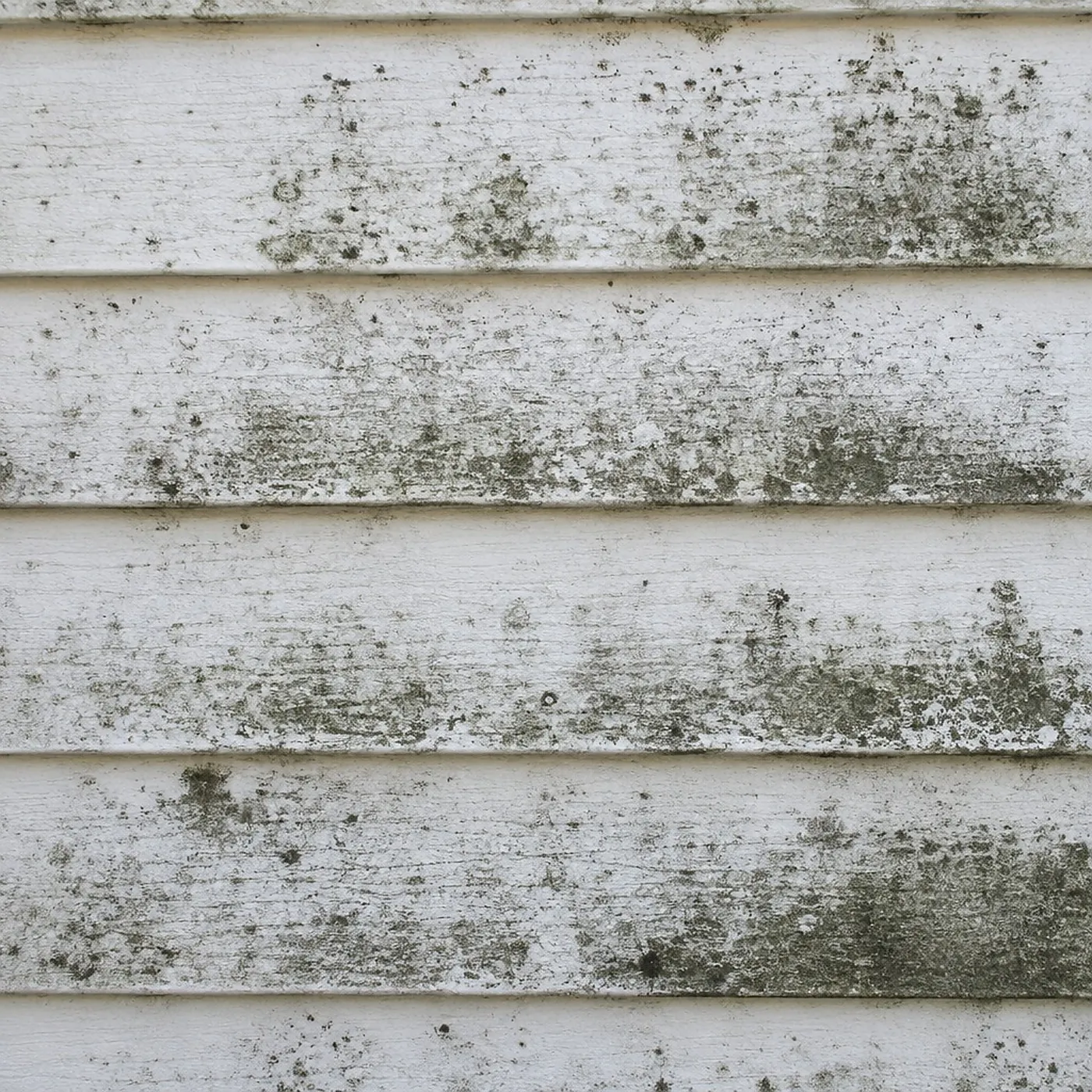
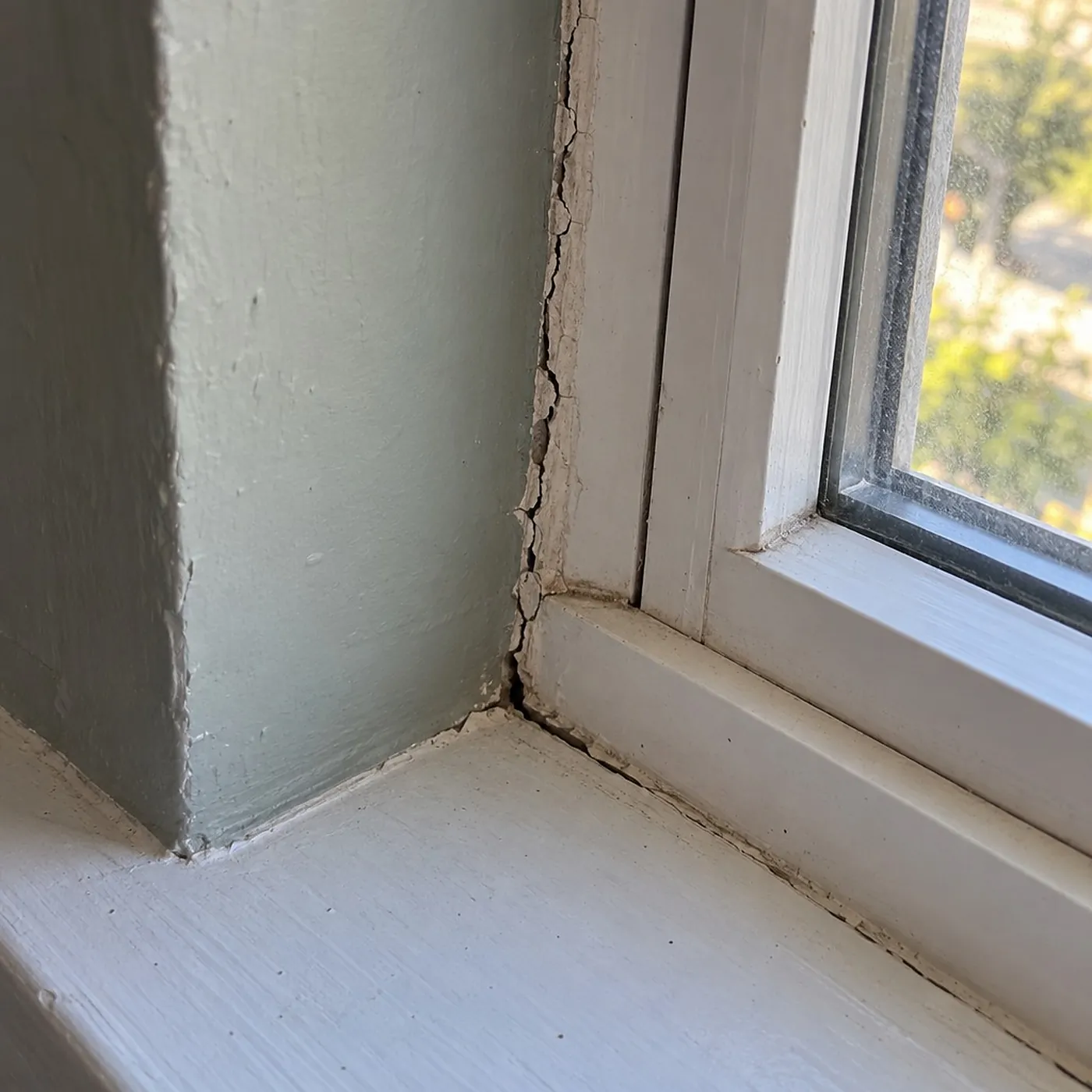
Peeling or flaking
Paint lifting in chips or sheets, often starting as hairline cracks that worsen, says Benjamin Moore. Loose paint has to come off first, because painting over it is a bad idea. In a home built before 1978, the EPA says the paint may contain lead, so find out before you scrape or sand.
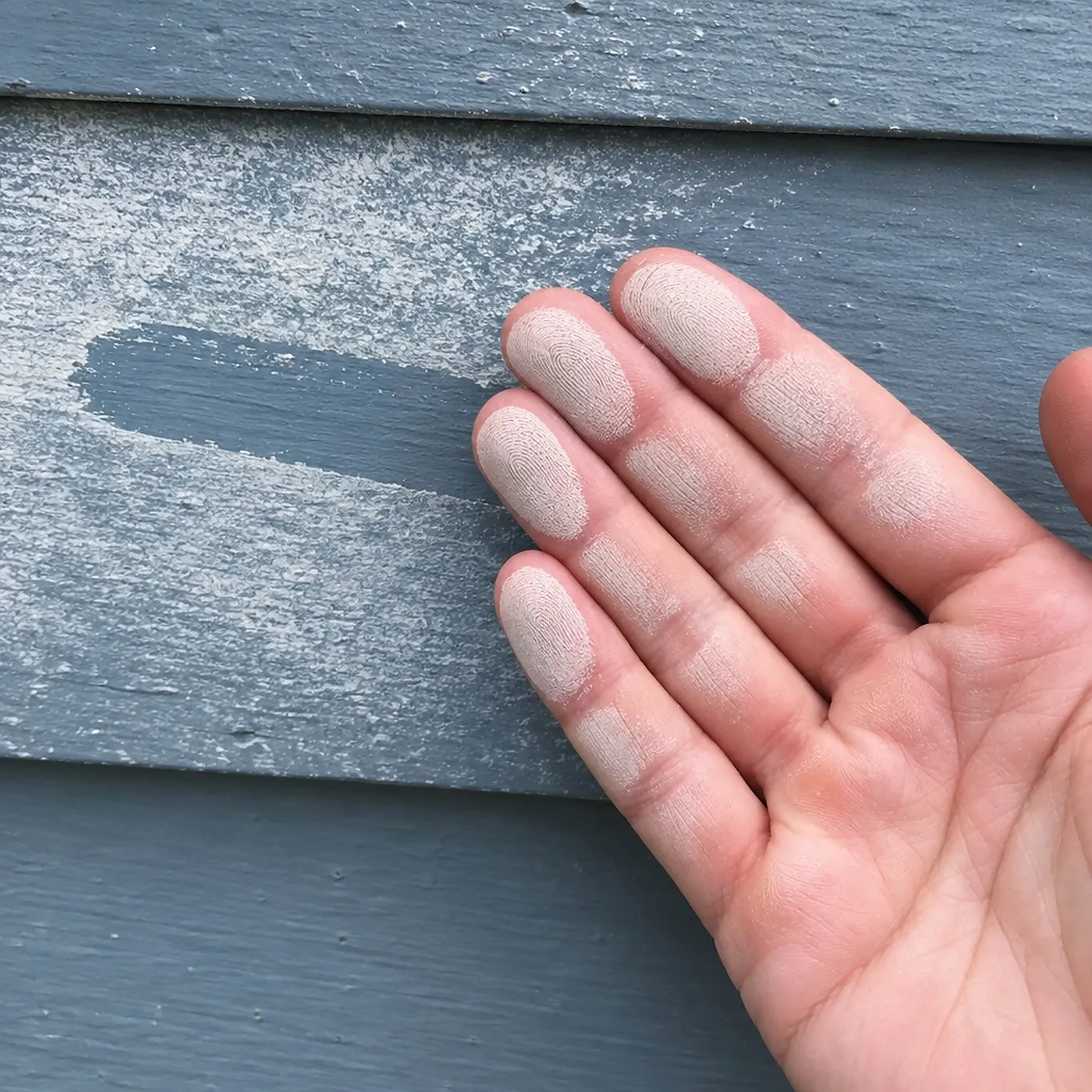
Chalking
A fine white powder on the surface from weathering. Sherwin-Williams says light chalk is normal and washes off, and heavy chalking means the paint film is eroding. Rinse or power wash it off before repainting.
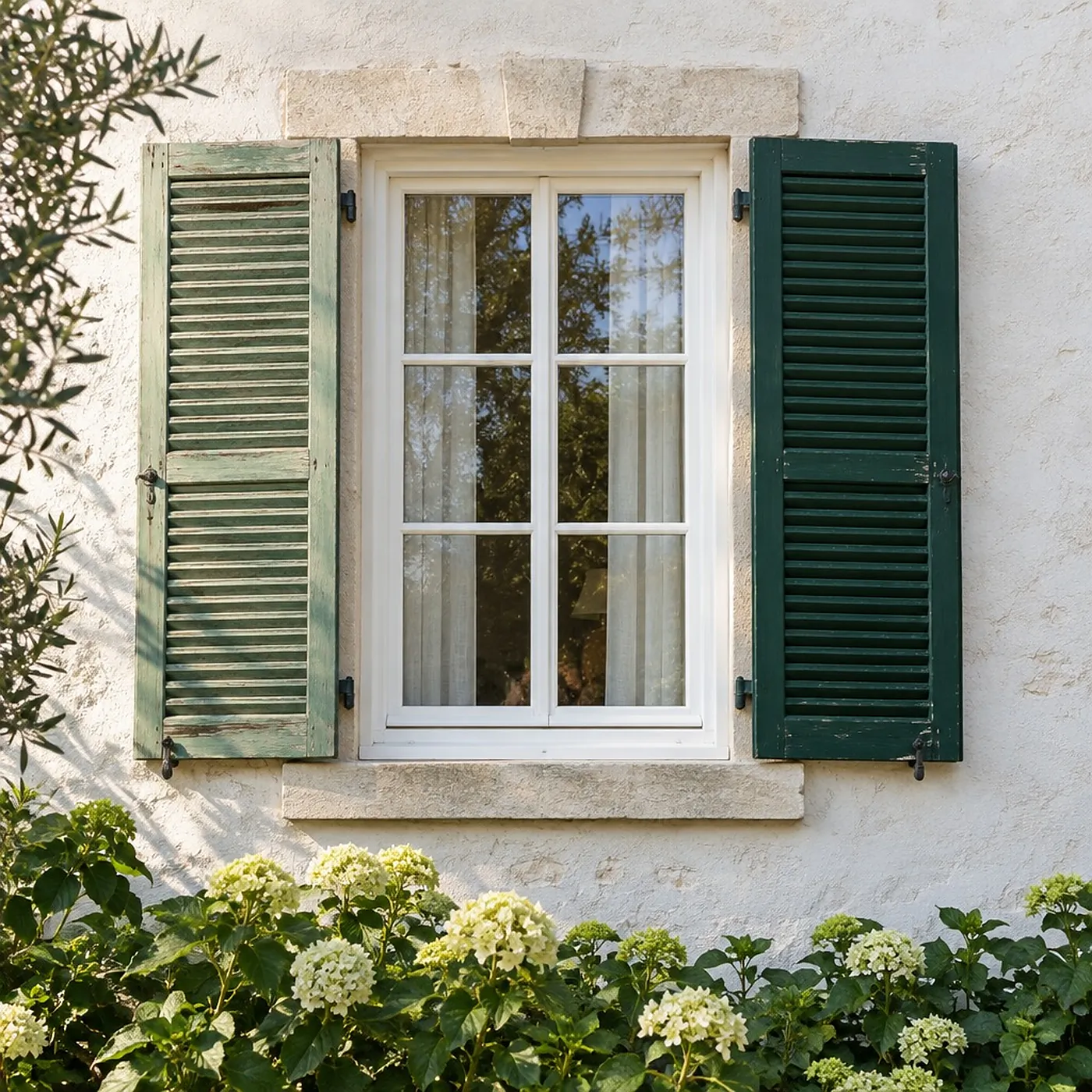
Fading
Color goes pale, first on the sunniest wall. The USDA says dark colors can fade unacceptably long before the paint fails, and white is always a safe choice. Indoors, a painter told Family Handyman that natural light is the biggest cause.
Mildew
Black, gray, green or brown spots that look like dirt. Benjamin Moore says a few drops of household bleach will lighten mildew within minutes, but not dirt. Wash it off, because paint over mildew lets it grow through. If the paint is otherwise sound, the USDA says washing is enough.
Cracked caulk
Gaps where siding meets windows, doors and trim let water in. This Old House recommends cleaning out old caulk and filling gaps with 30-year acrylic caulk, and checking for rotted wood, loose boards and moisture damage before you paint.
What Memphis Sun, Humidity and Mildew Do to Paint
By the numbers
- 72 days a year at 90°F or hotter in Memphis, on average
- About 70°F the July dew point
- 2× how much longer paint can last on the shaded side
Which walls wear first
The sun crosses the southern sky, so each side of a house ages at its own pace.
- 1 South and west walls take the hardest sun, so they fade and wear first.
- 2 North walls and shady spots stay damp longest and grow mildew.
Sun
Memphis averages about 72 days a year at 90°F or higher, according to NOAA, and south and west walls take the hardest sun. The USDA says paint on the shaded side of a house often lasts twice as long as on a fully exposed, sunny side, so each wall can have its own schedule.
Humidity
Averaging NOAA’s hourly normals gives a July dew point near 70°F. Benjamin Moore says mildew thrives in damp places with little sun, and that paint can dry improperly when humidity is too high.
Shade and mildew
The USDA says mildew is most common where moisture stays longest: out of the sun, where air does not move, such as near tall plants. In East Memphis, mature trees keep walls damp and mildew is common, so every exterior starts with a wash. Sherwin-Williams says mildew can eventually appear on any paint, and a cleaning schedule is the best protection.
Dew on the eaves
The USDA says dew forms on parts of a house that cool quickly, such as eaves, soffits and porch ceilings, and gives mildew the water it needs.
Spring pollen
For a few weeks every spring, tree pollen coats everything in yellow. It has to be washed off before repainting, or fresh paint traps it.
A regional rule of thumb
CertaPro’s guide for the Southeast says heat and humidity encourage mildew and frequent storms mean exteriors may need repainting every 3 to 5 years.
Timing matters as much as the interval: see when to paint an exterior in Memphis.
How to Make Paint Last Longer
- Prep well. Sherwin-Williams says most coating failures come from poor surface preparation or application.
- Wash the house and keep mildew off. Benjamin Moore suggests redirecting dripping air conditioners, sprinklers and leaky gutters, and letting sunlight reach painted areas where you can.
- Fix caulk gaps and moisture problems before painting.
- Choose lighter colors on the sunniest walls, since dark colors fade sooner.
- Do not repaint too soon. The USDA says too many coats of latex can eventually cause the primer to fail.
Got questions?
How long does house paint last?
Interior paint usually lasts 3 to 10 years before a repaint, and exterior paint about 7 to 10, depending on climate, surface and paint quality. High-traffic rooms and sun-baked walls wear out sooner. See our interior and exterior painting pages for what a job includes.
How often should you repaint the exterior of a house?
Exterior paint lasts about 7 to 10 years, according to Sherwin-Williams, and This Old House says most paint lasts about 15. Wood siding is usually 3 to 7 years, and the USDA’s lab estimate for a primer and two topcoats on wood is 6 to 20 years, depending on the wood and the exposure.
How often should you paint inside your house?
To repaint a house interior, HomeAdvisor says every 3 to 10 years, and Family Handyman says every 3 to 5 years or so. Hallways, kitchens and bathrooms run every 3 to 4 years, and bedrooms and living rooms every 5 to 7, according to CertaPro Painters.
How long do deck stains last?
Sherwin-Williams says every 2 to 3 years is a commonly accepted guideline. The USDA Forest Products Laboratory estimates 2 to 3 years for semitransparent stain on new smooth boards and 3 to 6 years on weathered or saw-textured ones. Solid-color stain and paint tend to peel on decks.
Does mildew mean I need to repaint?
Not always. The USDA says paint that is sound but discolored by mildew needs washing, not repainting. Put a few drops of household bleach on a spot: if it lightens within minutes it is mildew, and if not it is dirt. Paint over mildew and it grows through.
Does Memphis weather mean I should repaint sooner?
It can. Sun wears paint fastest on south and west walls, and shade and humidity grow mildew on the others. CertaPro’s Southeast guide says exteriors may need repainting every 3 to 5 years. A yearly walk-around for peeling, chalking, fading, mildew and cracked caulk tells you more than the calendar.
Sources
- HomeAdvisor: Cost to Paint the Interior of a House (updated June 2026) — interior repaint every 3 to 10 years; high-traffic rooms sooner
- Family Handyman: 7 Signs It’s Time to Repaint Your Walls (updated August 2025) — interior walls every 3 to 5 years or so; sunlight fades paint
- CertaPro Painters: How Often to Paint Your Home — intervals by room, stucco and brick; Southeast guidance
- Sherwin-Williams: How to Paint a House Exterior — exterior paint may last 7–10 years
- Bob Vila: How Much Does It Cost to Paint a House Exterior? (updated April 2023) — wood siding, stucco, brick and fiber cement intervals
- This Old House: How to Paint Your Home’s Exterior (updated May 2026) — most paint lasts about 15 years; signs it is time; caulk gaps
- This Old House: How To Paint an Exterior Metal Door (updated May 2026) — repaint every three to five years
- Family Handyman: Everything You Need to Know About Exterior Trim Paint — repaint trim every few years
- USDA Forest Service, Forest Products Laboratory: Wood Handbook, Chapter 16, Finishing Wood (FPL-GTR-282) — Tables 16-2 and 16-3 service lives; sunny vs shaded sides; mildew; dew; protected areas
- Sherwin-Williams: Maintenance & Repair FAQs — deck staining every two to three years; mildew can reappear on any paint
- Sherwin-Williams: How to Fix Exterior Paint Chalking — what chalking is and how to remove it
- Sherwin-Williams: Duration Exterior Acrylic Satin product data sheet (3/2026) — most coating failures come from poor preparation or application
- Benjamin Moore: How to Prevent and Remove Mildew — bleach test, never paint over mildew, moisture sources
- Benjamin Moore: Cracking and Flaking Paint — hairline cracks, never paint over flaking paint
- Benjamin Moore: Temperature Guide for Exterior Painting — paint can dry improperly when humidity is too high
- Brick Industry Association: Technical Note 6, Changing the Appearance of Brick Masonry (March 2025) — paint on brick is a recurring maintenance task
- U.S. EPA: Renovation, Repair and Painting Program for do-it-yourselfers — homes built before 1978 may have lead-based paint
- NOAA NCEI: 1991–2020 U.S. Annual Climate Normals, Memphis International Airport (USW00013893) — 72.1 days a year at 90°F or higher
- NOAA NCEI: 1991–2020 U.S. Hourly Climate Normals, Memphis International Airport (USW00013893) — July dew point about 70°F, averaged from the hourly normals
Checked September 2026. Prices and product details change; your written estimate has the numbers for your house.